Bulk mulch usually wins on cost and quality once a project needs more than about 3 cubic yards, while bagged mulch makes more sense for small beds, precise color matching, or yards without truck access. The right choice comes down to how much area you’re covering, whether a delivery truck can reach your property, how much lifting and spreading time you have, and whether appearance matters more than soil benefit.
TL;DR:
- Bulk mulch becomes more cost-effective than bagged mulch once your project exceeds approximately 3 cubic yards, even after delivery fees.
- Bagged mulch offers greater convenience for small beds, with easier storage, no truck access needed, and precise color matching.
- Organic bulk mulch generally feeds soil better over time and needs refreshing every 2 to 3 years, while dyed mulch retains consistent appearance but may have fewer soil benefits.
- Accurate measurement of area and depth is essential to avoid over- or under-application, which leads to increased costs and potential plant health issues.
- Consider local sourcing and mulch type, such as screened and aged material for edible beds, and choose durable cedar or pine bark for longer-lasting mulch.
Table of Contents
- Comparing the trade-offs at a glance
- Doing the math: how much mulch do you actually need?
- What mulch type does for your soil, and where it can go wrong
- How delivery, labor, and storage differ between the two
- A quick checklist for choosing bagged or bulk
- How Ivan’s Landscaping applies this on real properties
- Weighing the environmental trade-offs
- Sorting through hardwood, cedar, and other mulch types
- What most homeowners get wrong about this decision
- Let a pro handle the ordering and spreading
- Where these numbers come from
- Sources
- FAQ
Comparing the trade-offs at a glance
Bagged and bulk mulch solve the same problem in different ways, and the differences show up fastest in price and convenience. Bulk mulch generally costs $30 to $65 per cubic yard, while bagged mulch in 2 cubic foot bags often runs $4 to $7 per bag, which works out to roughly $50 to $74 per cubic yard once you buy enough bags to match that volume.
Convenience tips the other way for small jobs. Bags stack neatly in a car trunk or garage, and you buy exactly what you need without a delivery minimum or a pile sitting on your driveway.
- Cost: bulk pricing drops sharply per yard as volume increases, while bagged pricing stays flat per bag.
- Convenience: bagged mulch needs no truck access and stores easily; bulk needs delivery space and a place to pile it.
- Lifespan: most organic wood mulches need a full refresh every 2 to 3 years regardless of format.
- Appearance: bagged dyed mulch offers more consistent, repeatable color than most bulk yards can guarantee.
- Soil health: quality bulk mulch, especially aged or screened material, tends to break down evenly and feed the soil.
Doing the math: how much mulch do you actually need?
The conversion is simple once you know the formula. Multiply your bed’s square footage by the depth in feet to get cubic feet, then divide by 27 to get cubic yards. To find bag counts, divide the total cubic feet by the bag’s cubic foot size, then round up, a method laid out clearly by Iowa State Extension.
Say you’re covering 100 square feet at a 3 inch depth, which is 0.25 feet. That’s 100 times 0.25, or 25 cubic feet, just under one cubic yard. A 500 square foot bed at the same depth needs 125 cubic feet, or about 4.6 cubic yards.
| Bed size | Depth | Cubic feet needed | 2 cu ft bags | 1.5 cu ft bags |
|---|---|---|---|---|
| 100 sq ft | 3 in | 25 | 13 | 13 |
| 500 sq ft | 3 in | 125 | 63 | 84 |
- One cubic yard covers about 100 square feet at 3 inches deep, a common extension coverage benchmark.
- Add 5 to 10% extra to your bulk order to account for settling and shrinkage as the pile compacts and dries.
To find your real break-even point, add delivery or pallet fees into the bulk total before comparing it to the bagged total. Once a project crosses roughly 3 cubic yards, bulk almost always comes out cheaper even after delivery costs.
What mulch type does for your soil, and where it can go wrong
Organic wood mulch breaks down over time, feeding organic matter back into the soil, which is why most guidance recommends a full refresh every 2 to 3 years with annual top-dressing of about 1 to 1.5 inches to keep depth consistent. Not all mulch is created equal, though, and quality varies more than most homeowners expect.
- Watch for mulch made from recycled pallets or treated wood, which can carry chemical residue into your beds.
- Dyed mulch is generally safe, but ask the supplier what dye they use if you’re planting edibles nearby.
- Cheap or unaged bulk piles sometimes carry weed seeds or fungal issues that screened, aged material avoids.
Buyers should favor screened or aged bulk mulch for beds near food crops or sensitive plantings. Pine bark and cedar tend to hold up 3 to 5 years before needing full replacement, while shredded hardwood and dyed varieties often need refreshing yearly or every other year to keep their color and structure.
How delivery, labor, and storage differ between the two
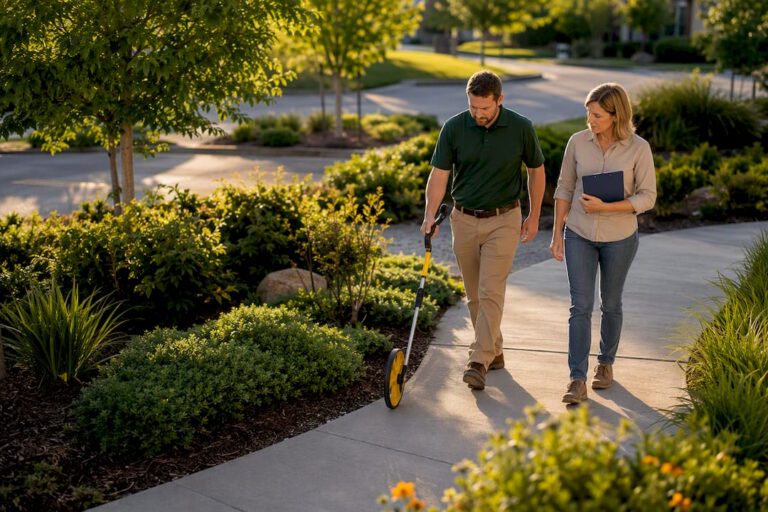
Bulk delivery typically arrives by dump truck, and the driver drops the pile at a spot you designate, usually your driveway or the edge of your lawn. Most suppliers set a delivery minimum, and a steep driveway or tight turnaround space can rule out a bulk drop entirely, so it’s worth confirming truck access before you order.
Spreading bulk mulch by hand with a wheelbarrow and rake takes real time and a working back. Bagged mulch spreads faster in small doses but costs more in total labor once you’re covering more than a few beds.
- Keep tarps handy to protect driveways and lawns from spills during bulk delivery.
- Bagged mulch stores well in a garage or shed for several months if kept dry and sealed.
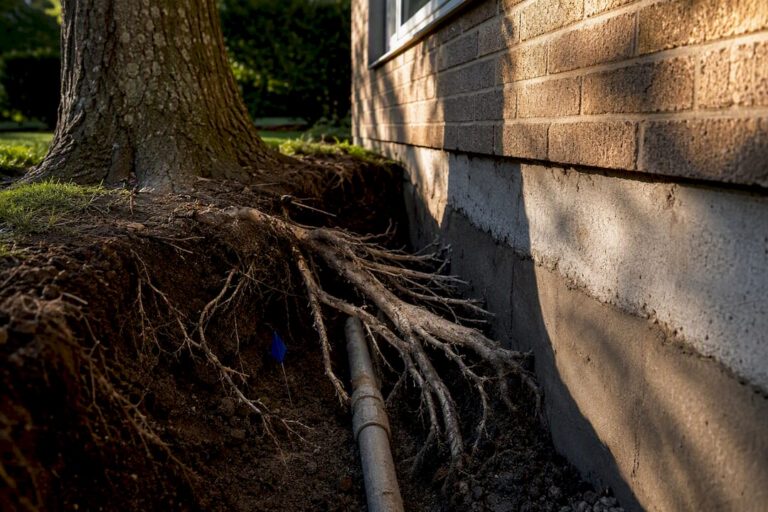
- Avoid piling mulch against tree trunks, a habit known as a “mulch volcano” that can suffocate roots and invite disease.
Pro Tip: Keep mulch pulled back 2 to 3 inches from tree trunks and shrub stems no matter which format you buy.
A quick checklist for choosing bagged or bulk
Most homeowners can settle the bagged versus bulk question in a few minutes by working through the same short list professionals use.
- Estimate your total cubic yards needed; anything at or under 3 cubic yards often favors bagged mulch, while more than that usually favors bulk.
- Confirm whether a delivery truck can reach and turn around near your driveway or yard.
- Decide how much physical labor and time you have for spreading, since bulk demands more of both.
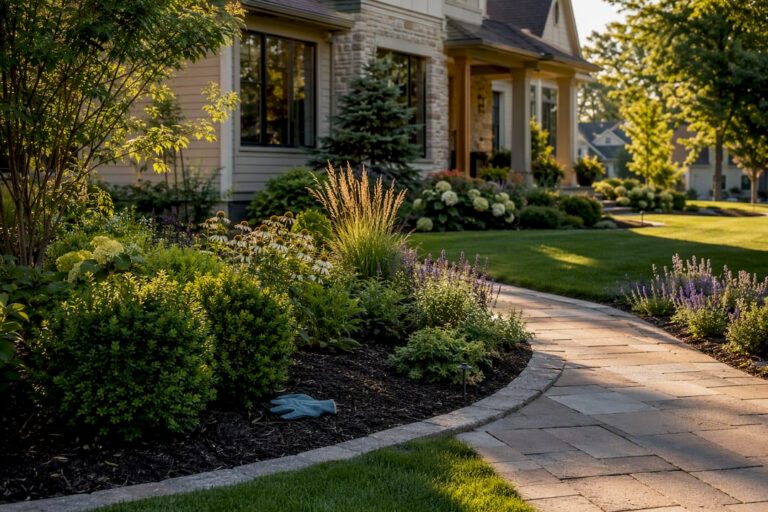
- Match your color and appearance needs, since bagged dyed mulch offers the most consistent look.
- Ask your vendor where the mulch is sourced, whether it’s screened or aged, and what delivery fees or minimums apply.
- Consider a mixed approach: bulk for large back beds, bagged for small, visible front beds where color consistency counts.
How Ivan’s Landscaping applies this on real properties
On smaller foundation beds or accent areas, a homeowner might reasonably choose bagged mulch for the color match and easy handling. For a full yard refresh, Ivan’s Landscaping generally recommends bulk delivery, since the per-yard savings and consistent material quality make more sense once the square footage adds up. Every property is different, and driveway access, bed layout, and existing plantings all factor into the recommendation. Free estimates are commonly offered by landscaping providers who can walk your property to recommend the right volume and material before you commit to either option.
Weighing the environmental trade-offs
Bulk mulch generally arrives with less plastic packaging waste than bagged mulch, since the material moves loose by truck rather than in individual bags. Over a season, that difference adds up if you’re mulching several beds or a full yard.
Sourcing matters more than format, though. Mulch made from recycled yard waste or tree removal debris keeps material out of landfills, while mulch made from freshly cut, non-recycled wood carries a heavier resource cost regardless of whether it’s bagged or bulk. Dyed mulch, whether bagged or bulk, uses colorants that some gardeners prefer to avoid near vegetable beds or areas with heavy rain runoff, even though the dyes used commercially are generally considered low risk.

Buying local bulk mulch also tends to cut down on transportation distance compared to bagged mulch trucked in from farther away, though this varies by region and supplier. If sustainability is a priority, ask your supplier whether their bulk material comes from local tree removal or land clearing operations rather than virgin-cut timber, and consider that mulch made from municipal yard waste programs often costs less while diverting material from landfills.
Sorting through hardwood, cedar, and other mulch types
Not every mulch behaves the same way once it’s down, and the type you choose affects both looks and how often you’ll need to reorder. Shredded hardwood is the most common bulk and bagged option, breaks down steadily, and feeds soil organic matter over time, but it also fades and needs yearly attention to stay looking fresh.

Cedar and pine bark nuggets last longer, generally holding their structure and color for 3 to 5 years before a full replacement is needed, which makes them a reasonable choice for beds you don’t want to refresh often. Cedar also carries a natural scent some homeowners prefer, and its oils offer mild pest resistance, though this fades as the mulch ages.
Dyed mulches, whether black, brown, or red, are almost always sold in bags for consistent color, since bulk dyed mulch can vary from batch to batch. Bulk yards more often stock natural, undyed hardwood or a blend of species, which suits gardeners who care more about soil benefit than uniform appearance. When shopping, ask whether the bulk material is a single species or a mixed blend, since mixed blends sometimes include lower-quality filler wood.
What most homeowners get wrong about this decision
Most advice on this topic treats price per yard as the whole story, but the bigger mistake homeowners make is guessing at volume instead of measuring it. Ordering by eye leads to either a thin, weed-prone layer or an overly thick one that suffocates roots, and either outcome costs more to fix than five minutes with a tape measure would have saved.
The soil health angle also gets underrated. Homeowners often default to dyed bagged mulch for curb appeal, which is a fair trade-off if you know that’s what you’re choosing, but many people don’t realize that natural, aged bulk mulch does more for long-term soil structure. Neither choice is wrong, but it should be a deliberate one.
If there’s one thing worth prioritizing, it’s getting the depth right: 2 to 4 inches for most beds, never piled against trunks. Everything else, format, color, and species, is a preference decision once that fundamental is handled correctly.
— Chas
Let a pro handle the ordering and spreading
If measuring beds and hauling bags isn’t how you want to spend a weekend, Ivan’s Landscaping offers free estimates, professional spreading and cleanup, and mulch installation services sized correctly for your property the first time. Ask about a customized annual maintenance plan to keep beds refreshed every season without the math or the labor. Get your free estimate today to see what bulk delivery and installation would cost for your yard.
Where these numbers come from
- Iowa State Extension mulch calculation guide
- UC ANR mulch application depth guidance
- LawnsGuide 2026 mulch pricing data
Sources
- How to determine amount of mulch needed for a garden bed (Iowa State Extension)
- How much should a yard of mulch cost? (LawnsGuide, 2026)
- Mulch application guidance (UC ANR)
FAQ
What is the 3-3-3 rule for mulch?
Definitions vary by source, but a common version calls for mulch depth of roughly 3 inches, kept at least 3 inches from tree trunks, refreshed on roughly a 3-year cycle. It’s a simple way to remember safe depth and trunk clearance rather than a strict standard.
How many bags of mulch equal 1 cubic yard?
A cubic yard equals 27 cubic feet, so it takes about 13.5 bags of 2 cubic foot bagged mulch to equal one cubic yard. With 1.5 cubic foot bags, you’d need about 17 bags to reach the same volume.
Is it better to mulch or bag your yard waste?
This depends on your goal: mulching yard waste back into your lawn or beds returns organic matter to the soil, while bagging removes clippings and debris entirely. For landscaping beds specifically, adding purchased mulch rather than raw yard waste gives more consistent coverage and appearance.
How long will bagged mulch last?
Most organic bagged mulch needs a full refresh every 2 to 3 years, with a thin annual top-dressing recommended to maintain depth in between. Denser materials like cedar or pine bark can last closer to 3 to 5 years before needing full replacement.