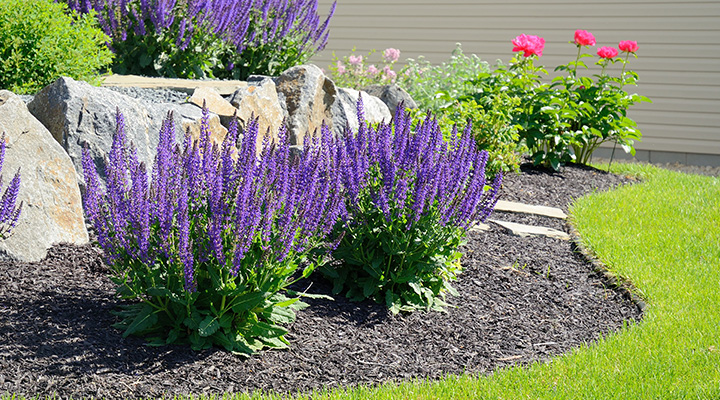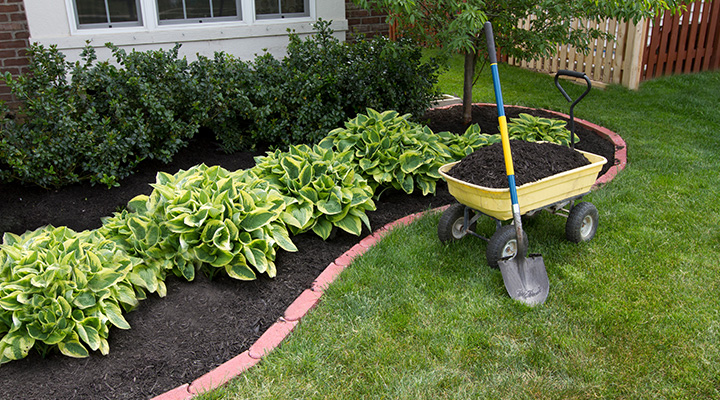
Fresh mulch is one of the simplest ways to improve the appearance of your landscape while providing real benefits for your trees, shrubs, and flower beds. It gives planting beds a clean, finished look, helps retain moisture, suppresses weeds, and protects plant roots from temperature extremes.
But timing matters.
Installing mulch too early, too late, or under the wrong conditions can reduce many of those benefits. Fortunately, homeowners in McHenry County and throughout Northern Illinois can take advantage of predictable seasonal patterns to get the most from a fresh layer of mulch.
If you’re wondering when to mulch your landscape, here’s what to know.
Why Mulch Is More Than Just Decoration
Many people think of mulch as purely cosmetic. While it certainly improves curb appeal, its practical benefits are just as valuable.
A properly mulched landscape can help:
- Reduce weed growth
- Retain soil moisture during dry weather
- Moderate soil temperatures
- Protect plant roots from temperature swings
- Reduce soil erosion during heavy rains
- Improve the appearance of landscape beds
- Gradually add organic matter to the soil as natural mulch breaks down
Over time, mulch becomes an important part of maintaining healthy landscape beds while reducing the amount of maintenance they require.
Spring Is Usually the Best Time to Mulch
For most homeowners in McHenry County, spring is the ideal time to install fresh mulch.
As the ground begins to warm and plants emerge from winter dormancy, a new layer of mulch helps prepare landscape beds for the growing season ahead.
Spring mulching offers several advantages:
- Refreshes the appearance of your landscape after winter
- Helps retain moisture before summer heat arrives
- Reduces weed growth early in the season
- Protects newly emerging plants
- Complements spring cleanup and landscape maintenance
Most professional landscapers recommend waiting until the soil has had a chance to warm before applying mulch. Installing mulch too early can slow soil warming and delay the growth of some plants.
While exact timing varies from year to year depending on the weather, most homeowners in Northern Illinois find that mid-to-late spring provides the best balance between plant health and landscape appearance.
Can You Mulch in Summer?
Yes.
If you missed the spring season, summer can still be a good time to refresh mulch—especially if existing mulch has significantly broken down or washed away.
Adding mulch during the summer can help:
- Reduce moisture loss during hot weather
- Protect roots during extended heat
- Improve the appearance of faded planting beds
- Replace mulch displaced by heavy rain
Keep in mind that newly installed mulch should be watered thoroughly during hot weather to help stabilize it and maintain moisture around plants.
Summer mulching may not provide quite as many seasonal benefits as spring installation, but it’s still far better than leaving landscape beds exposed.
Is Fall Mulching Worth It?
Absolutely.
While spring receives most of the attention, fall mulching also offers important benefits.
A fresh layer of mulch before winter can help insulate plant roots as temperatures fluctuate throughout the colder months.
Fall mulch also helps:
- Reduce freeze-thaw stress
- Protect shallow-rooted plants
- Reduce soil erosion
- Prepare landscape beds for spring
For homeowners replacing annual flowers or performing a fall landscape cleanup, adding mulch afterward can be an efficient way to finish preparing the landscape before winter arrives.
How Much Mulch Is Too Much?
One of the most common landscaping mistakes isn’t failing to mulch—it’s applying too much.
More mulch doesn’t necessarily mean better protection.
In fact, excessively deep mulch can:
- Prevent water from reaching the soil
- Reduce oxygen around plant roots
- Encourage disease
- Create conditions that attract insects
- Lead to root problems over time
As a general guideline, a layer of 2–3 inches is appropriate for most landscape beds.
If existing mulch is still in good condition, it often makes more sense to refresh the top layer rather than continually adding additional depth every year.
A quick inspection of your planting beds each spring can help determine whether the mulch simply needs to be turned and refreshed or whether it’s time for a complete replacement.
Choosing the Right Type of Mulch
Not all mulch is the same.
Different materials offer different appearances, lifespans, and maintenance requirements.
Some of the most common options include:
Hardwood Mulch
A popular choice that provides a natural appearance and gradually improves the soil as it decomposes.
Dyed Mulch
Available in colors such as black, brown, and red, dyed mulch offers long-lasting visual appeal and can complement different landscape styles.
Cedar Mulch
Known for its distinctive appearance and slower rate of decomposition, cedar mulch is often chosen for ornamental landscape beds.
Pine Bark Mulch
Lightweight and attractive, pine bark mulch works well around shrubs, trees, and decorative plantings.
Ultimately, the best choice depends on your landscape design, maintenance preferences, and personal style.
Common Mulching Mistakes to Avoid
Applying mulch is a relatively straightforward project, but a few common mistakes can reduce its effectiveness—or even harm your landscape.
Applying Too Much Mulch
One of the most frequent mistakes is creating thick “mulch volcanoes” around trees or piling mulch several inches deep throughout landscape beds.
Excessive mulch can trap moisture against tree trunks, reduce airflow to roots, and create favorable conditions for insects, disease, and decay.
Instead, keep mulch a few inches away from the base of trees and shrubs and maintain a consistent depth of about 2–3 inches throughout the bed.
Covering Existing Weeds
Mulch helps prevent new weeds from germinating, but it won’t eliminate established weeds underneath.
Before adding fresh mulch, take the time to remove existing weeds and debris. Starting with a clean planting bed helps ensure your new mulch looks its best and performs as intended.
Forgetting to Edge Landscape Beds
Even fresh mulch can look unfinished if landscape bed edges are poorly defined.
Re-establishing clean edges before installing mulch creates a crisp, professional appearance and helps keep mulch contained within the planting beds.
Ignoring Existing Mulch
Not every landscape needs an entirely new layer of mulch each year.
If your mulch is still in good condition, lightly cultivating or fluffing the existing layer and adding only what’s needed can often restore its appearance while maintaining the proper depth.
Should You Install Mulch Yourself or Hire a Professional?
For smaller landscape beds, many homeowners enjoy installing mulch themselves. It can be a satisfying weekend project that provides immediate curb appeal.
However, larger properties or more complex landscapes often require significantly more time and effort than homeowners expect.
Professional mulch installation offers several advantages:
- Accurate mulch depth throughout the landscape
- Proper bed preparation before installation
- Professional edging for a cleaner appearance
- Efficient installation of large mulch quantities
- Cleanup after the project is complete
Many homeowners also choose to schedule mulch installation as part of a larger spring landscaping service that includes seasonal cleanup, pruning, bed preparation, and other landscape maintenance tasks.
This approach creates a refreshed landscape all at once rather than tackling multiple projects separately.
Keep Your Landscape Looking Its Best Year-Round
Fresh mulch is one of the easiest ways to improve both the appearance and health of your landscape.
For most homeowners in McHenry County, applying mulch during the spring offers the greatest overall benefits by preparing planting beds for the growing season ahead. However, summer and fall can also be appropriate times to refresh mulch depending on your landscape’s condition and seasonal needs.
Whether you’re maintaining existing landscape beds or planning a larger landscaping project, proper mulch installation helps protect your plants, reduce maintenance, and create a polished appearance that lasts throughout the season.