Five tasks matter most this fall: clearing leaves before they mat down the lawn, aerating and overseeding cool-season grass, pruning hazardous branches, and winterizing irrigation lines and gutters. Do all of it before the ground sees a sustained freeze, and expect leaf control to take two or three passes as different trees drop on their own schedule. Handle most of this yourself with basic equipment. Hire a pro for irrigation blowouts, large-tree pruning, and hauling on bigger lots.
TL;DR:
- Aeration and overseeding should be done immediately after the first leaf pass for best soil contact and germination in early fall.
- Apply fall fertilizer with more potassium than nitrogen at least four to six weeks before the first hard freeze to build grass cold hardiness.
- Schedule irrigation blowouts after the last watering and before temperatures drop below freezing, ideally hiring professionals for thorough water removal.
- Remove diseased plant material from beds and mulch after the first hard frost to prevent fungal spores and protect perennial roots.
- Larger properties or those with complex terrain benefit from professional fall cleanup services, especially for equipment-heavy tasks like aeration and large branch removal.
Table of Contents
- Fall Yard Cleanup Checklist: What to Do and In What Order
- How Do You Aerate, Overseed, and Fertilize a Fall Lawn?
- What Should You Do With Garden Beds and Perennials in Fall?
- When Should Trees and Shrubs Be Pruned Before Winter?
- How Do You Winterize Irrigation and Clean Gutters Before Freezing Weather?
- What Are the Best Leaf Disposal and Composting Options?
- When Should You Schedule Fall Cleanup, and What Does It Cost?
- Why Trust This Fall Cleanup Guide?
- How Do You Assess Your Yard’s Fall Cleanup Needs?
- Should You DIY Fall Cleanup or Hire a Professional?
- Checklist: Tools and Equipment for Fall Yard Cleanup
- An Honest Recommendation on Timing and Budget
- Fall Cleanup Packages From Ivan’s Landscaping
- Sources
Fall Yard Cleanup Checklist: What to Do and In What Order
A fall yard cleanup checklist works best when you follow the order that plants and weather actually dictate, not the order tasks feel easiest. Leaves come down over weeks, not days, and lawn treatments need soil that’s still warm enough to work. Here’s the sequence that keeps you from redoing work you already finished.
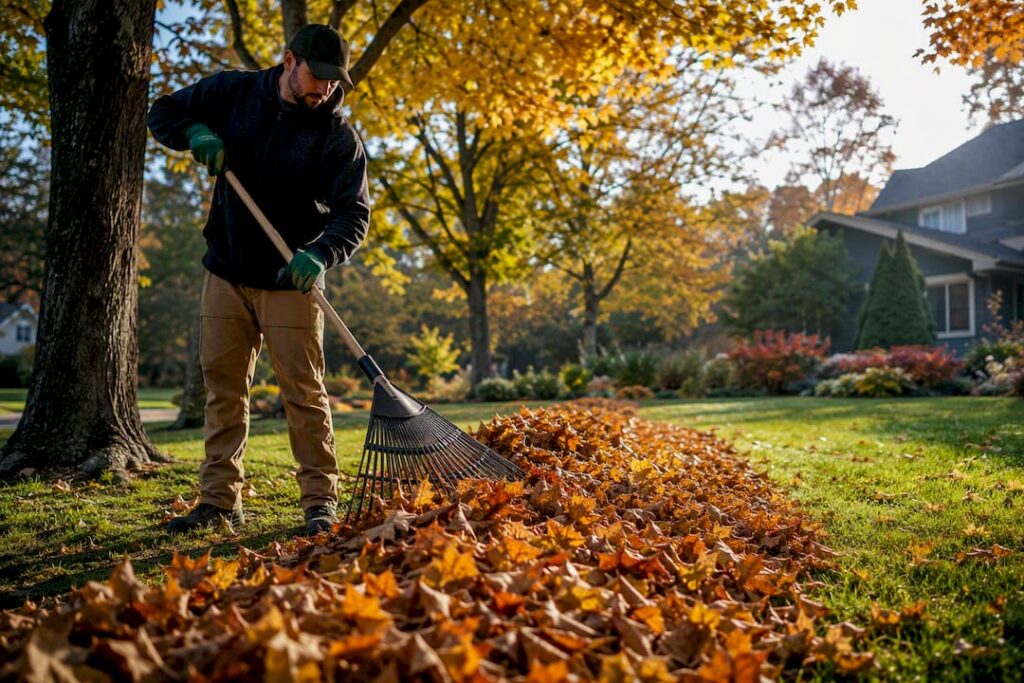
- Do the first leaf pass once a moderate portion of trees have dropped leaves. Raking works fine for small yards and gives you a workout. A backpack blower clears larger properties fast but stirs up dust and noise your neighbors will notice. Mulch-mowing leaves directly into the lawn feeds the soil with nutrients and skips bagging entirely, as long as the leaf layer isn’t too thick to shred.
- Give the lawn its final mow at 2 to 2.5 inches, slightly shorter than your summer height. Grass that goes into winter too tall mats down under snow and invites fungal disease; too short stresses the roots right when they need reserves.
- Aerate the lawn in early fall while the ground is still workable. Core aeration relieves soil compaction and lets water, seed, and fertilizer reach the root zone instead of running off the surface.
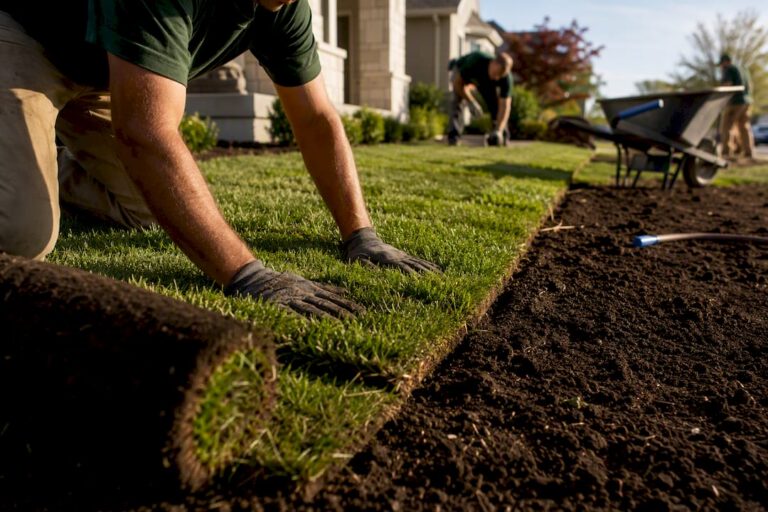
- Overseed right after aerating. Cool-season grass seed germinates best in fall because the soil stays warm while the air cools down, which is exactly the combination bare patches need to fill in before winter.
- Apply a fall fertilizer formulated with more potassium than nitrogen. Potassium builds cold hardiness into the grass plant; too much nitrogen this late pushes soft top growth that winter kills anyway.
- Cut back perennials that are prone to disease and leave the rest standing for winter interest and bird habitat.
- Plant spring bulbs 6 to 8 weeks before the ground freezes, checking the USDA Plant Hardiness Zone Map to nail down your local frost timing.
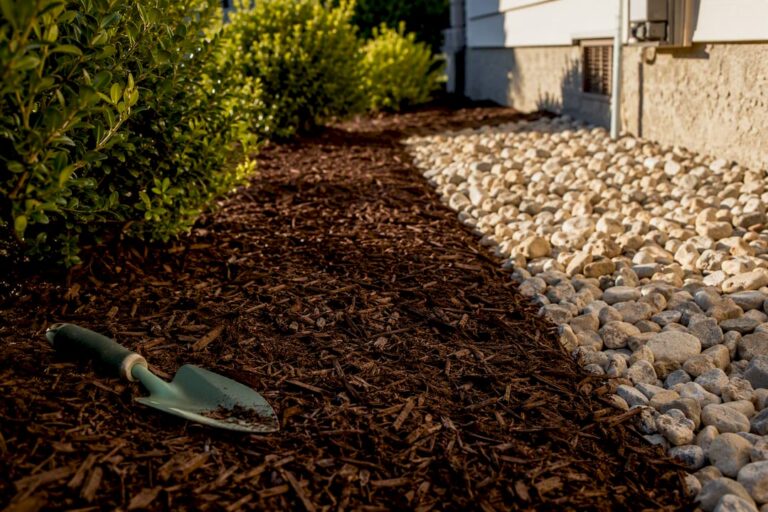
- Spread 2 to 3 inches of fresh mulch on beds once the top layer of soil has gone through its first hard frost.
- Clear the gutters of leaves and debris so downspouts drain freely all winter.
Two things trip people up every year:
- Leaving leaves on the lawn too long. A wet mat of leaves smothers grass blades and creates the damp, dark conditions fungal disease needs to take hold.
- Fertilizing too early. Apply it while the lawn is still actively growing hard and you waste the product on top growth instead of root storage.
If you’ve got a mixed-species yard, expect this checklist to stretch into two rounds. Oaks tend to hold their leaves into late fall while maples drop weeks earlier, and a two-pass leaf strategy is standard practice for properties with several tree types.
How Do You Aerate, Overseed, and Fertilize a Fall Lawn?
These three tasks work as a set. Aeration opens the soil, overseeding fills it with new grass, and fertilizer feeds what grows. Skip the sequence and you weaken all three results.
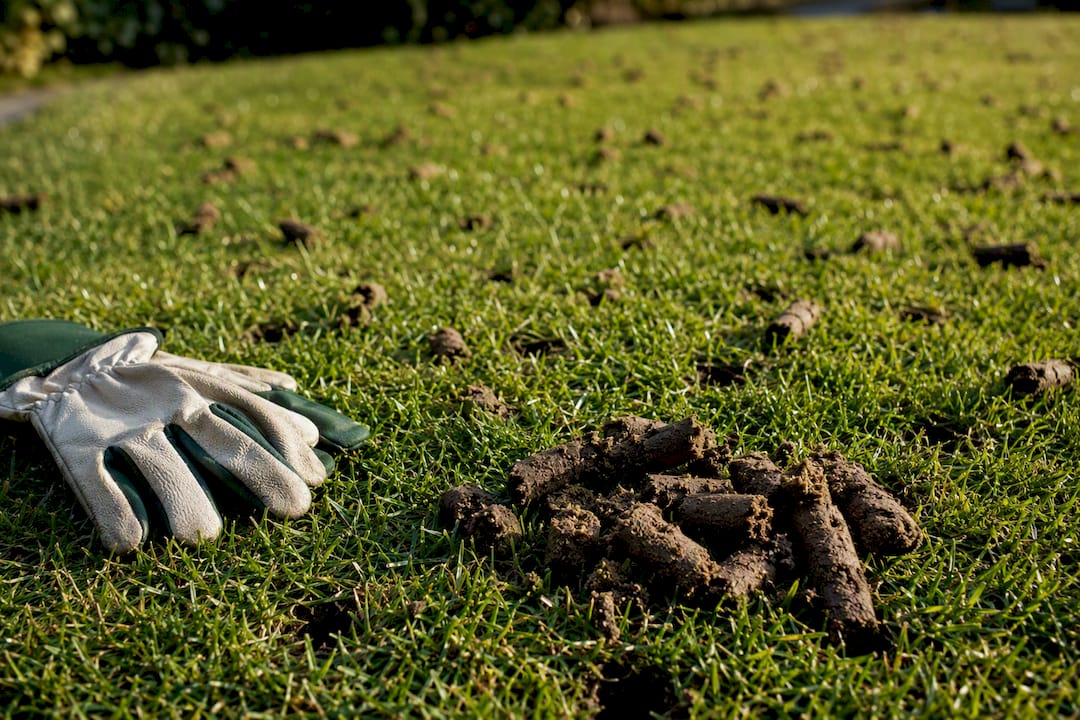
Core aeration pulls small plugs of soil out of the lawn rather than just poking holes, which is what actually relieves compaction from a summer of foot traffic and mowing. Early fall is the window because the grass still has enough active growing season left to recover from the disruption before winter dormancy sets in.
Right after aerating, overseed with a cool-season blend suited to your region, typically a mix of Kentucky bluegrass, fescue, or perennial ryegrass. Seed needs direct soil contact to germinate, which is why aeration and overseeding happen back to back. Water lightly once or twice a day for the first two weeks, then taper off as seedlings establish.
For fertilizer, look for a slow-release formula with a lower first number (nitrogen) and higher third number (potassium) on the bag. Apply it four to six weeks before your area’s average first freeze so the lawn has time to absorb it while roots are still active.
- Aerate lawns showing thin patches, moss, or standing water after rain.
- Overseed bare or thinning areas the same day you aerate, not weeks later.
- Fertilize once, in fall, rather than repeating monthly like a summer feeding schedule.
- Mow one final time at 2 to 2.5 inches after the lawn stops actively growing.
A rental aerator runs heavy, often over 150 pounds, and takes real effort to maneuver on a sloped or oddly shaped lot. If your property is larger than a standard quarter-acre lot or has multiple grade changes, hiring it out usually saves your back and gets more even coverage than a rented walk-behind unit.
Pro Tip: Water the lawn a day or two before aerating. Dry, compacted soil resists the aerator’s tines, while soil that’s too wet just gums up the machine. Damp but firm is the sweet spot.
What Should You Do With Garden Beds and Perennials in Fall?
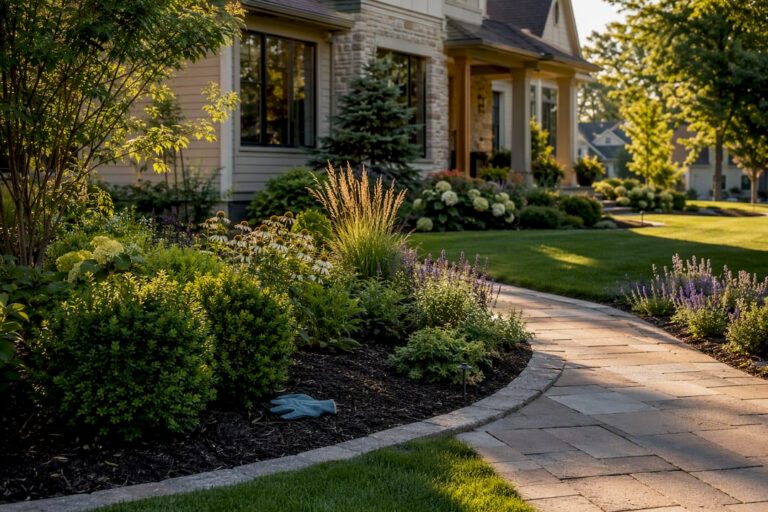
Cut back perennials that carry disease risk and leave the rest for winter interest. Peonies, roses, and hostas top the “cut back” list because their foliage can harbor fungal spores over winter. Ornamental grasses, coneflowers, and black-eyed Susan can stay standing. They add texture to a snowy yard and their seed heads feed birds through the coldest months.
Fall is also a reasonable time to divide overcrowded perennials like daylilies and hostas, as long as you get it done at least four weeks before the ground freezes solid. Dig the whole clump, split it with a spade or your hands depending on the root structure, and replant divisions at the same depth they were growing before. Spring division works too, but fall gives the roots a head start before next year’s growing season.
Bag and remove any diseased material rather than tossing it in the compost pile. Extension guidance on rose diseases specifically recommends pulling infected foliage out of the bed entirely, since backyard compost piles rarely get hot enough to kill off fungal spores.
- Wait until after the first hard frost to spread mulch. A 2 to 3 inch layer insulates roots and reduces the freeze thaw heaving that pushes shallow-rooted perennials right out of the ground.
- Move potted plants that aren’t reliably hardy in your zone into a garage or covered porch.
- Wrap borderline shrubs like boxwood or young arborvitae in burlap if they’ve had wind damage in past winters.
- Check your beds for signs they need more than routine cleanup, like bare soil, leggy shrubs, or mulch that’s broken down to almost nothing.
When Should Trees and Shrubs Be Pruned Before Winter?
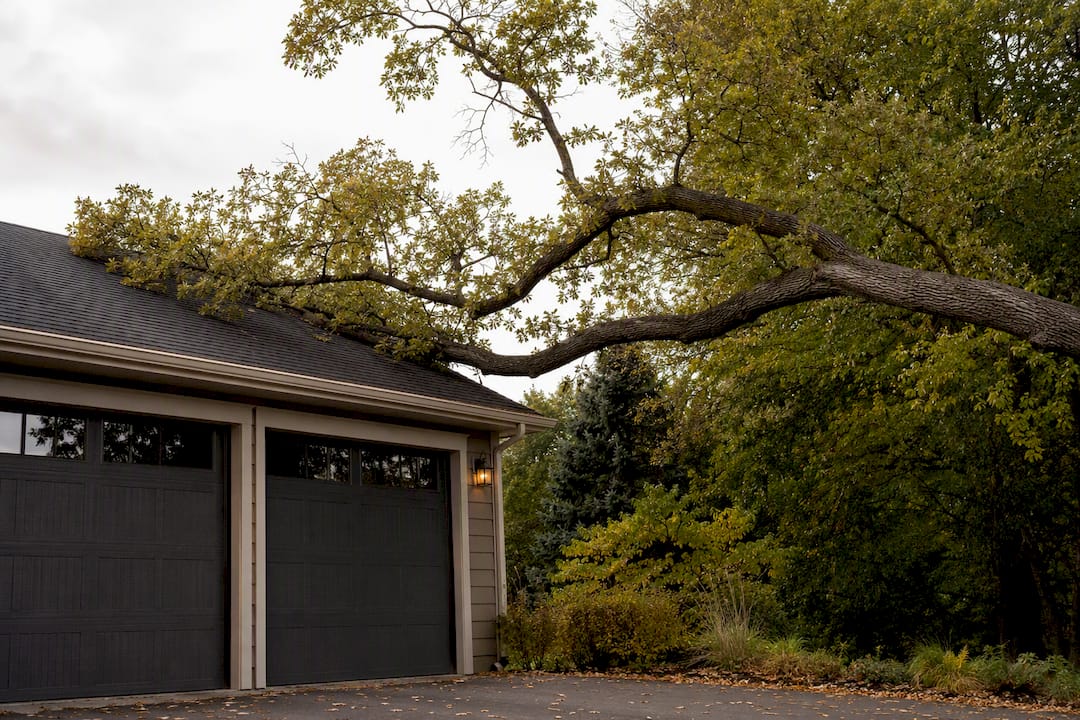
Safety comes first here. Walk your property and look up. Any limb hanging over the roof, driveway, or a power line is a priority, regardless of the season, and it’s the one job on this checklist where waiting has real consequences.
Most routine pruning, shaping shrubs, thinning small branches, can wait until late winter or early spring when the plant is fully dormant and you can see its structure clearly. What you shouldn’t defer is anything dead, cracked, or hanging loose. Those limbs get heavier and more brittle with ice and snow load, and a falling branch in January is a lot more dangerous than one you removed in October.
Call in a certified arborist when you see trunk damage, cracks running into the main stem, or limbs thick enough that a bucket truck or crane is the only safe way to reach them. A homeowner with a pole saw shouldn’t be the one tackling anything above eight or ten feet on a ladder.
- Give trees a deep, slow watering in late fall if rainfall has been light, especially newly planted ones still establishing roots.
- Wrap the trunks of young or thin-barked trees to guard against sunscald and frost cracking over winter.
- Clear brush and dead wood away from the base of trees and shrubs before the first snow buries it.
How Do You Winterize Irrigation and Clean Gutters Before Freezing Weather?
Irrigation systems and gutters share one trait: ignore them in fall, and a cheap fix turns into an expensive repair by spring.
- Schedule your irrigation blowout after your last scheduled watering but before your area’s first hard freeze. Water left in the lines expands as it freezes and cracks pipes, valves, and backflow devices.
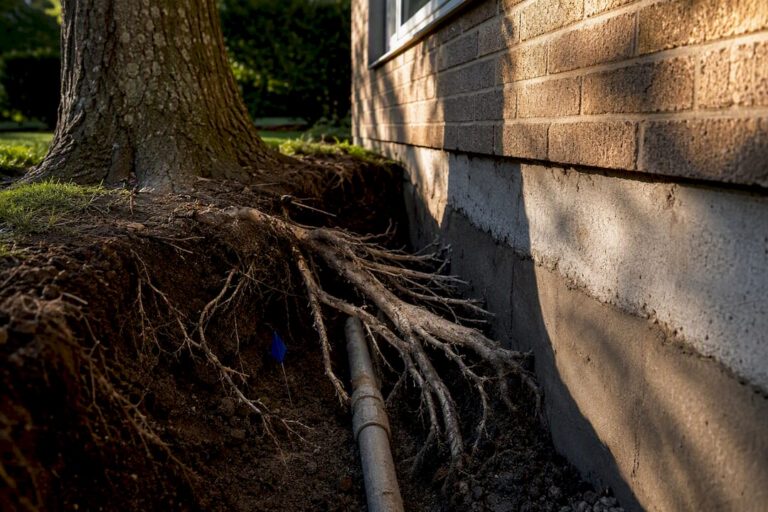
- If you’re doing it yourself, shut off the main water supply to the system, drain any above-ground components, and disconnect and store hoses. Insulate an exposed backflow preventer with a foam cover if it can’t be fully drained.
- A professional blowout uses compressed air to force every drop of water out of buried lines, something a DIY shutoff can’t fully replicate. That service typically runs $50 to $150, a small price against the cost of replacing burst pipe fittings underground.
- Clear leaves and debris out of gutters and check that downspouts drain freely. Clogged gutters back up, freeze, and form ice dams that force water under roof shingles.
What Are the Best Leaf Disposal and Composting Options?
You have three realistic paths for the leaves you rake or blow off your lawn: compost them, mulch them into the grass, or haul them away. Each fits a different yard.
Backyard composting works well if you shred or chop the leaves first, since whole leaves mat down and take far longer to break down. Keep the carbon-to-nitrogen balance in mind by mixing leaves with grass clippings or kitchen scraps, and never toss diseased plant material into the pile.
Mulch-mowing is the lowest-effort option and works fine as long as the leaf layer is thin enough for your mower to shred it into small pieces. A thick, wet mat needs full removal instead, since mulching over it just smothers the grass underneath.
Check your city’s leaf pickup schedule before you start bagging. Many municipalities run specific collection windows, and timing your raking around the truck’s route saves you from bagged leaves sitting at the curb for weeks.
- Compost or mulch-mow when leaf volume is light to moderate and disease-free.
- Bag or haul away when leaves are matted, diseased, or too thick to shred.
- Keep leaves out of streets and storm drains. Watershed groups flag yard debris as a real contributor to nutrient runoff and stormwater pollution.
When Should You Schedule Fall Cleanup, and What Does It Cost?
Sequence matters more than speed. Start your first leaf pass once a quarter of the canopy has dropped, aerate and overseed a few weeks after that while soil is still workable, and save the irrigation blowout and gutter clearing for right before your first hard freeze. Properties with several tree species almost always need two cleanup passes instead of one, since oak leaves can hang on weeks longer than maple.
Budget varies with lot size and how many services you bundle. Standard fall debris removal typically runs $200 to $600, with larger lots, more trees, and full hauling pushing toward the top of that range. Add aeration, overseeding, and an irrigation blowout, and a full-service fall package for a typical suburban lot often lands between $400 and $900 depending on your region and property size.
- A quarter-acre lot with a handful of trees: plan for 4 to 8 hours of DIY labor, or a single-day professional visit.
- Larger lots with heavy tree cover: expect multiple weekends solo, or a crew that finishes it in a day.
- Renting an aerator plus buying seed and fertilizer often costs close to what a professional aeration and overseed package runs, once you factor in your own time.
- Bundled fall service packages tend to price out better per hour than booking leaf removal, aeration, and irrigation winterization as three separate appointments.
Time and money both point the same direction: the bigger the lot and the more trees on it, the faster hiring out pays for itself in saved weekends.
Why Trust This Fall Cleanup Guide?
This fall cleanup guide reflects best practices for residential and commercial properties in Illinois, based on local experience.
- Services include mulch installation, seasonal maintenance, and irrigation winterization.
- Leaf removal and bed cleanup can be scheduled concurrently to reduce the number of trips needed.
- Multi-pass scheduling for properties with mixed species accommodates the varying leaf drop schedules.
How Do You Assess Your Yard’s Fall Cleanup Needs?
Lot size and plant mix decide almost everything about scope. A quarter-acre yard with a couple of shade trees needs a fraction of the time and labor that a wooded half-acre lot with mature oaks and dense shrub beds demands.
Start by counting your trees and noting their species. Heavy leaf droppers like maple, oak, and sycamore generate far more volume than a yard dominated by evergreens or ornamental trees that shed lightly. Next, look at your bed square footage. A property with extensive perennial beds needs more cutback and mulch than one that’s mostly lawn with a few foundation shrubs.
Slope and drainage matter too. Yards with low spots or heavy clay soil hold water and leaf debris longer, which raises the risk of matting and fungal disease if cleanup gets delayed. Steeply sloped lots also make aeration and raking physically harder, which tilts the DIY versus hire decision toward hiring.
Finally, factor in what’s already stressed. A lawn that struggled with grubs or drought over summer needs aeration and overseeding more urgently than a lawn that stayed healthy all season. Walk your property in early fall, take stock of tree count, bed size, slope, and current lawn condition, and you’ll have a realistic scope before you buy a single tool or make a single call.

Should You DIY Fall Cleanup or Hire a Professional?
The honest answer depends on three things: how much time you have, how physically demanding your yard’s terrain is, and whether any task requires equipment you don’t own and don’t want to buy.
DIY makes sense for smaller lots, standard leaf raking or mulch-mowing, and basic bed cutback. If you enjoy the work and have a weekend to spare, there’s no task on this checklist that requires specialized skill beyond patience and the right tools.
Hiring makes more sense once you hit any of these markers:
- Property size. Anything beyond a standard suburban lot turns a weekend project into multiple weekends.
- Equipment needs. Aeration, irrigation blowouts, and large-branch removal all call for gear that’s expensive to buy for one-time use and awkward to rent and haul yourself.
- Physical demands. Sloped lots, heavy clay soil, and large tree canopies make manual labor slower and more strenuous.
- Time constraints. If your fall calendar is already full, a single scheduled visit from a crew beats stretching the work across four weekends.
- Risk level. Anything involving a ladder above ten feet, large limbs, or work near power lines should go to a professional regardless of budget.
Evaluate any service you’re considering hiring against a few basics: do they offer a free estimate, do they guarantee their work, and do they bundle related fall tasks into one visit instead of charging separately for each stop.
Checklist: Tools and Equipment for Fall Yard Cleanup
Most fall cleanup tasks need equipment you likely already own, with a few exceptions worth renting rather than buying.
Owned or inexpensive to buy:
- A sturdy leaf rake and a push broom for hard surfaces
- A mulching lawn mower or a standard mower with a bagging attachment
- Pruning shears and loppers for small branches
- A garden fork or spade for dividing perennials
- Work gloves, a tarp for dragging leaf piles, and yard waste bags
Worth renting for a one-time job:
- A core aerator, given its weight and the fact most homeowners use it once a year
- A gas-powered leaf blower if your property has more canopy than a rake can handle efficiently
- A wood chipper if you’re clearing brush or downed branches in volume
Better left to a professional:
- Compressed-air equipment for irrigation blowouts
- Bucket trucks or cranes for large tree limb removal
- Commercial-grade leaf vacuums for large multi-acre properties
An Honest Recommendation on Timing and Budget
If you’ve got the weekends and a modest budget, split fall cleanup into two passes timed around leaf drop rather than trying to finish everything in one exhausting Saturday. Bundling aeration, overseeding, and leaf haul into a single scheduled visit, whether you do it yourself over consecutive weekends or hire it out, saves both money and effort compared to treating each task as its own project. For homeowners short on time or working a larger lot, a local fall cleanup service is worth the call before the first hard freeze hits.
— Chas
Fall Cleanup Packages From Ivan’s Landscaping
Coordinating fall cleanup tasks into a single scheduled visit can cover leaf removal, aeration and overseeding, mulch installation, irrigation winterization, gutter clearing, and a final mow, reducing scattered work across multiple weekends.
If your property is larger than a standard lot, has multiple mature trees, or you simply don’t have four weekends to spare this fall, request a quote through the McHenry County services page or check availability for your specific area through the Cary landscaping page. Either way, you’ll have a scheduled crew handling it before the ground freezes, not a half-finished project waiting on next weekend’s weather.
Sources
- Lawn aeration — West Virginia Extension
- Dormant seeding — University of Minnesota Extension
- USDA Plant Hardiness Zone Map