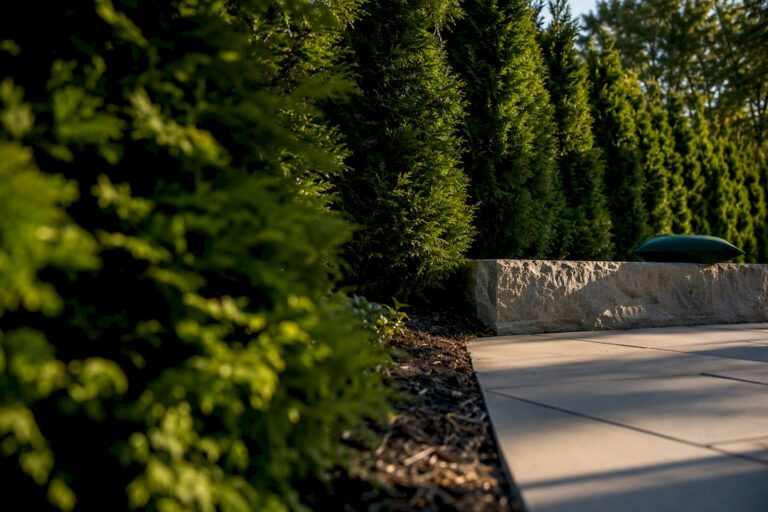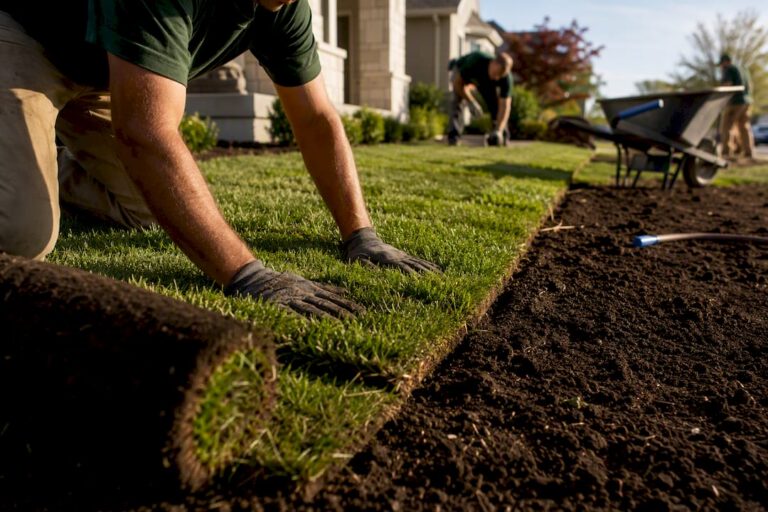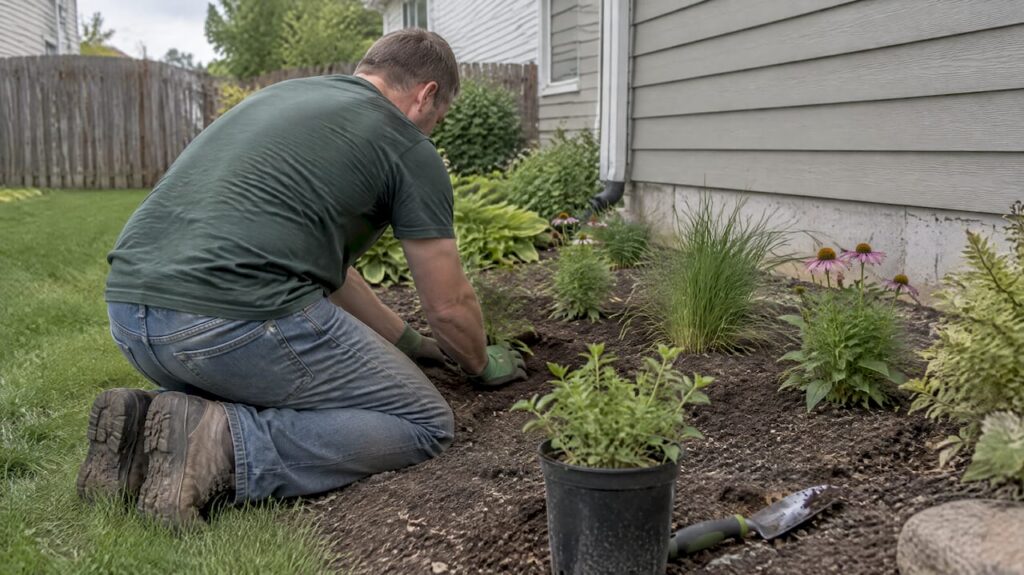
Reduce high-maintenance lawn and match the right plants to the right place: that single shift cuts most yard work. Expect some front-loaded effort during the first one to three years of establishment while roots and groundcovers take hold. After that, a mix of hardscaping, native plants, mulch, and basic irrigation keeps upkeep to a minimum.
TL;DR:
- Mulching, groundcover planting, and replacing narrow lawn strips are quick and affordable ways to reduce yard maintenance within a day or less.
- Matching native plants to site conditions significantly cuts watering, fertilizer, and pesticide needs, especially for drought-tolerant species on dry or full sun sites.
- Hardscaping options like pavers, gravel, and synthetic turf offer long-term low-maintenance alternatives to continuous mowing and watering.
- Grouping plants by water needs and designing with three-plant clusters can further diminish the need for ongoing upkeep and intensive pruning.
- Establishment during the first three years demands dedicated weed control and watering; after that, seasonal mulching and minimal watering sustain low-maintenance landscapes.
Table of Contents
- 1. Practical low maintenance landscaping ideas to try first
- 2. Plants and mixes that cut maintenance by site condition
- 3. Hardscaping and lawn alternatives worth considering
- 4. Water-saving strategies and a quick look at rain gardens
- 5. Design rules that lower long-term work
- 6. What to expect during establishment and each season after
- 7. When hiring makes sense for a low-maintenance yard
- 8. Start small, then build on what works
- 9. How Ivan’s Landscaping helps you get there faster
- FAQ
- Sources
1. Practical low maintenance landscaping ideas to try first
Not every change needs a weekend of digging. Some ideas take an hour; others take a season. Here is a rough order of effort, from quick wins to bigger commitments.
Quick wins (a day or less):
- Spread several inches of mulch over bare soil to block weeds and hold moisture, keeping it a few inches away from trunks and stems.
- Replace a narrow lawn strip, the kind that is awkward to mow anyway, with gravel or a simple paver path.
- Tuck groundcovers into bare patches under shrubs or along borders where grass struggles to grow.
Medium projects (a weekend to a few weeks):
- Group plants by water need so you are not hand-watering one thirsty perennial next to three drought-tolerant ones.
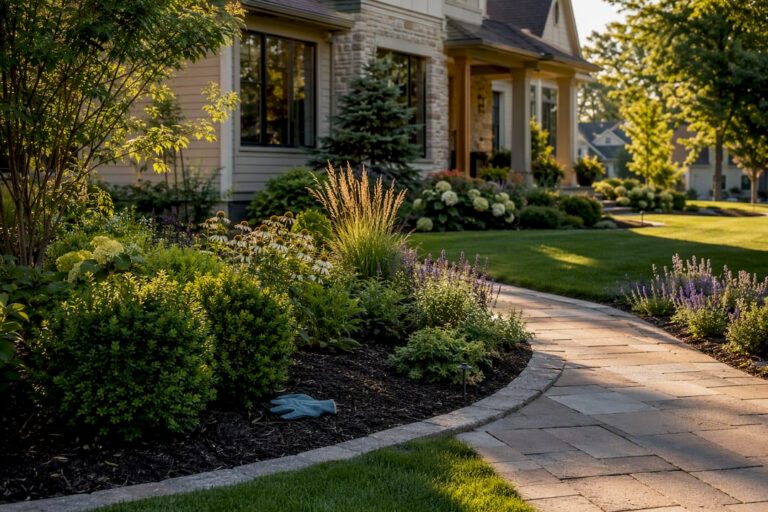
- Add ornamental grasses and native perennials in beds that get full sun; they settle in with far less fuss than annuals.
- Create a soft landing under shade trees by swapping turf for native groundcovers and leaf litter, which protects roots and cuts down on mower and trimmer damage near the trunk.
Bigger projects (a season or a hired crew):
- Convert a struggling turf section into a bee lawn or small prairie patch.
- Install a rain garden in a low spot that collects runoff after storms.
- Replace a large lawn area with a patio, paver walkway, or in some cases synthetic turf.
Each of these can be DIY if you have the time and patience, especially the mulch and groundcover projects. The bigger ones, particularly grading for a rain garden or laying a paver patio that will not heave over winter, tend to go better with a crew that has done it before. Getting the base and drainage right the first time saves you from redoing it in two years.
2. Plants and mixes that cut maintenance by site condition
Matching a plant to its site is the whole game. A native plant chosen for the right light and soil needs less fertilizer, less pesticide, and less supplemental water because it already fits the conditions it is given. A plant forced into the wrong spot, no matter how tough its reputation, usually struggles and needs more attention, not less.
Sunny, dry slopes: little bluestem, prairie dropseed, and sedum varieties handle poor soil and periods without rain once established. Their deep root systems pull water from lower in the soil, which is part of why they shrug off drought better than shallow-rooted turf.
Full sun beds: coneflower, black-eyed Susan, and switchgrass fill space quickly and resist most common pests without spraying.
Part shade: foamflower, wild geranium, and sedges (Carex species) tolerate the dappled light under open-canopy trees.
Full shade: wild ginger and native ferns fill in where grass thins out anyway, saving you the annual reseeding.
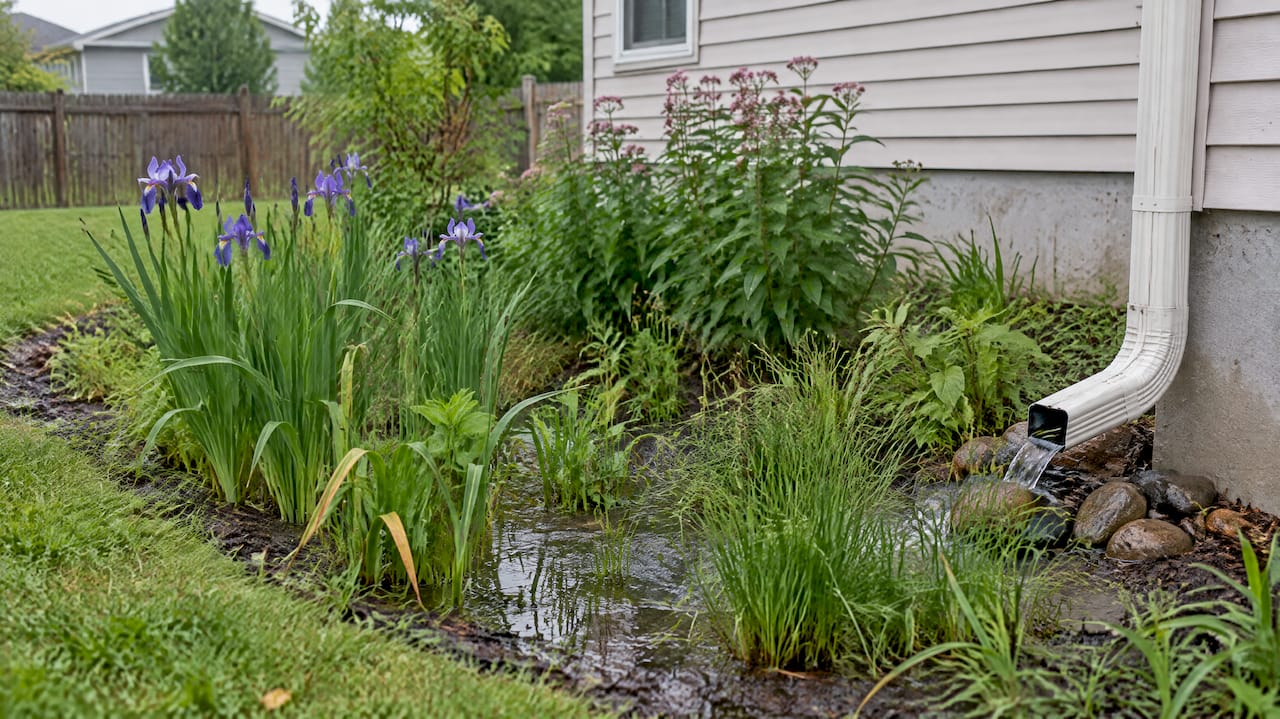
Moist spots and rain garden edges: blue flag iris, swamp milkweed, and joe-pye weed tolerate standing water after storms and dry periods between them, which makes them a strong fit for a rain garden planting area.
Bee lawn alternative: a mix of fine fescues with low-growing white clover or self-heal creates a mowable lawn substitute that needs less fertilizer and fewer mowings than standard turf, and it feeds pollinators in the process.
One figure worth remembering: once established, groundcovers outcompete weeds and need less upkeep than turfgrass, though they are not a fit for paths or play areas that see heavy foot traffic.

Availability varies by region, so check with a local nursery before building a plant list around any one species.
3. Hardscaping and lawn alternatives worth considering
Hardscaping trades mowing for occasional upkeep, which is a fair trade for most of a yard that does not need to be soft underfoot.
- Pavers hold up for years and handle foot traffic well, but joints need occasional weeding or a polymeric sand refresh to keep weeds from creeping in.
- Gravel paths cost less to install than pavers and drain well, though loose stone migrates over time and needs edging to stay contained.
- Synthetic turf eliminates mowing entirely and can work well for small, high-traffic patches, but it heats up in direct sun and does not offer the habitat value of living plants.
- Expanded patios turn an underused lawn section into usable space while cutting down the square footage you mow each week.
Drainage matters more than most homeowners expect. A paver patio installed without proper grading or a base of compacted gravel will shift and pool water within a season or two. That is the kind of project where hiring a crew for the base work pays off, even if you handle the simpler swaps yourself.
4. Water-saving strategies and a quick look at rain gardens
Grouping plants by water need, sometimes called hydrozoning, makes irrigation far simpler because you are watering a whole bed on one schedule instead of babysitting individual plants. A basic hose-end timer set to water early morning, two or three times a week during establishment, covers most beds without any smart technology. Drip irrigation delivers water right to the root zone and wastes less than an overhead sprinkler.
Pro Tip: Stick a finger two inches into the soil before watering; if it is still damp, skip that day.
A rain garden collects and filters runoff from a roof or driveway, reduces erosion, and needs little watering once the plants inside it are established. Siting one is straightforward: pick a natural low spot at least 10 feet from the foundation, dig a shallow basin 4 to 8 inches deep, and fill it with plants that tolerate both wet feet and dry spells.
5. Design rules that lower long-term work
A few design habits do more to cut future maintenance than any single plant choice.
- The rule of three: plant in groups of three (or five, seven) rather than single specimens scattered around a bed. Grouping simplifies pruning, watering, and even how the bed reads visually from a distance.
- Matrix planting: dense, layered plantings shade out weeds by forming a living mulch, which shortens the window where weeding is a weekly chore.
- Soft landings: letting leaf litter and understory plants stay under trees protects roots from mower damage and gives pollinators the habitat many species need.
- Spacing for coverage: space perennials close enough that their mature size closes the gaps between plants within a season or two, crowding out opportunistic weeds before they take hold.
6. What to expect during establishment and each season after
The first one to three years are the ones that decide whether a planting turns genuinely low-maintenance or becomes an ongoing headache. Skimping on early weed control and watering during that window is the most common reason new plantings fail. Treat that early labor as a short-term investment.
A simple seasonal rhythm helps once plants are in the ground:
- Spring: refresh mulch where it has thinned, and prune back anything that needs shaping before new growth takes off.
- Summer: check soil moisture weekly and water only when it is dry a couple inches down.
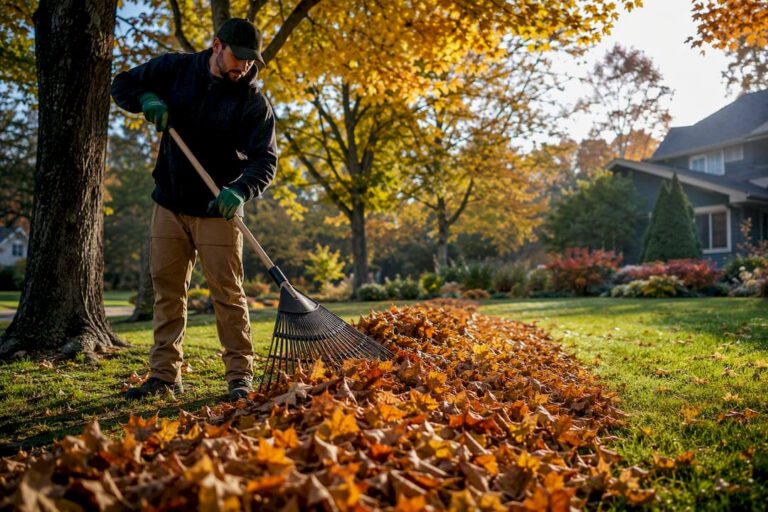
- Fall: clear fallen debris from paths and beds, leaving some leaf litter under trees for soft landings.
- Winter: walk the property to spot drainage issues or dead branches, and plan any changes for spring.
Plan to refresh mulch once a year in most beds, and expect to cut back supplemental watering by year two or three as root systems mature.
7. When hiring makes sense for a low-maintenance yard
Some projects reward a hands-on approach; others go faster and hold up longer with a crew that does this work daily. Ivan’s Landscaping, serving McHenry County since 2008, handles the pieces that are easiest to get wrong on a first try: landscape design that accounts for drainage and sun exposure, mulch installation at the right depth, and paver patios built on a proper base so they do not shift. Customized annual maintenance plans keep beds and lawns on a consistent schedule year to year, backed by a satisfaction guarantee, fast free estimates, and job sites left clean when the crew leaves.
8. Start small, then build on what works
Low-maintenance landscaping rewards patience more than ambition. Pick one bed, not the whole yard, and give it a season before judging the result.
Three starter tasks for this weekend: mulch one bed properly, swap a problem strip of lawn for gravel, and plant a group of three native perennials.
— Chas
9. How Ivan’s Landscaping helps you get there faster
If you would rather hand off the heavier projects, Ivan’s Landscaping covers the services that make the biggest dent in long-term upkeep. Landscape design and install sets up the right plant in the right place from day one, instead of the trial-and-error most homeowners go through. Mulch service keeps beds weed-suppressed without you hauling bags from the garden center every spring. Paver patios turn a high-mow lawn section into usable, nearly maintenance-free space.
For yards that need both design help and ongoing care, an annual property maintenance plan keeps mulch, pruning, and cleanup on a predictable schedule.
- Request a free estimate for mulch installation if your beds need a refresh this season.
- Ask about paver patio options if a section of lawn has become more trouble than it is worth.
- Talk to the team about lawn care if you want to keep the grass you have looking sharp while you convert the rest.
Reach out through Ivanslandscaping for a quick estimate on any of these projects.
FAQ
What is the lowest maintenance landscaping?
Hardscaping such as pavers or gravel paired with native, drought-tolerant plants generally needs the least ongoing work once established. Combining the two, hardscape for paths and gathering spaces, native plants for the rest, reduces mowing, watering, and weeding all at once.
What is the least expensive landscaping?
Groundcovers and mulch tend to cost less upfront than hardscaping projects like pavers or patios. A gravel path is also typically cheaper to install than a paver walkway, though it needs more edging over time.
What is no maintenance landscaping called?
There is no landscaping that requires zero maintenance since even native and naturalistic plantings are managed ecosystems that need some ongoing care. The closest equivalent is often called xeriscaping or naturalistic planting, both of which cut inputs sharply after an establishment period rather than eliminating care entirely.
What is the rule of 3 in landscaping?
The rule of three means planting in groups of three, five, or seven rather than single specimens scattered through a bed. Grouping plants this way simplifies pruning and watering while giving the bed a more cohesive look.
Sources
These extension and USDA pages cover the native plant, rain garden, and establishment guidance referenced throughout this piece.
- Nature by design: Naturalistic landscapes | Good Growing | Illinois Extension
- Building a rain garden | UMN Extension
- Alternatives to lawn: groundcovers | UW-Madison Extension
- Why native species matter — USDA