Whether you’re building a new home, replacing a damaged lawn, or simply looking to improve your property’s curb appeal, one of the first decisions you’ll face is whether to install sod or grass seed.
Both options can produce a beautiful, healthy lawn, but they offer different advantages depending on your budget, timeline, and property conditions.
For homeowners in McHenry County and throughout Northern Illinois, climate and seasonal timing also play an important role in determining which option will provide the best long-term results.
Here’s what to consider before making your decision.
What Is Sod?
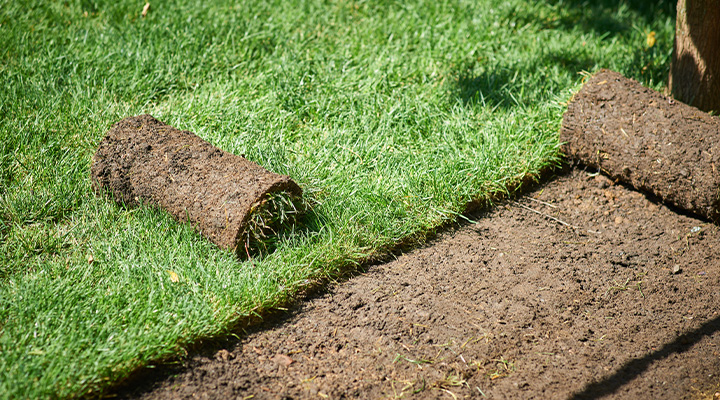
Sod is mature grass that has been professionally grown on a farm, harvested with its root system intact, and rolled into sections for installation.
Once installed, sod provides an instant lawn that immediately transforms the appearance of a property.
With proper watering and care, the roots gradually establish themselves in the underlying soil, creating a permanent lawn.
Benefits of Sod
Many homeowners choose sod because of the immediate results it provides.
Some of its biggest advantages include:
Instant Curb Appeal
One of sod’s greatest benefits is that your lawn looks complete as soon as it’s installed.
Instead of waiting weeks for grass to germinate, you immediately have a lush, green lawn.
Faster Erosion Control
Because sod completely covers the soil, it helps reduce erosion caused by heavy rain and wind.
This can be especially valuable on sloped properties or areas where exposed soil could wash away.
Fewer Initial Weed Problems
A properly installed sod lawn starts with mature, dense turf, making it more difficult for weeds to establish during the early stages.
Quicker Usability
Although newly installed sod still requires time for roots to establish, it generally becomes usable sooner than a newly seeded lawn.
Considerations When Choosing Sod
While sod offers many benefits, there are a few factors to keep in mind.
Higher Initial Cost
Because sod is grown, harvested, transported, and professionally installed, it typically requires a larger upfront investment than seeding.
Watering Is Critical
New sod requires consistent watering during the establishment period.
Without proper irrigation, sections can dry out before roots have an opportunity to take hold.
Timing Still Matters
Although sod offers more flexibility than seed, installation is still most successful during favorable growing conditions.
What Is Grass Seed?
Seeding involves spreading grass seed directly onto prepared soil and allowing it to germinate naturally.
Although it takes longer to establish than sod, seeding remains an excellent option for many homeowners.
Benefits of Grass Seed
Lower Initial Cost
Seeding generally costs less than installing sod, making it an attractive option for larger lawns or homeowners working within a budget.
Excellent for Large Areas
If you’re establishing a lawn across a large property, seeding may provide a more economical solution.
Greater Variety
Grass seed is available in numerous blends designed for different conditions, including sunny lawns, shaded areas, high-traffic spaces, and drought tolerance.
Choosing the right seed mix helps create a lawn that’s well suited to your property’s unique conditions.
Considerations When Choosing Seed
Longer Establishment Time
Unlike sod, seeded lawns require patience.
Depending on weather and growing conditions, it may take several weeks before you begin seeing significant growth.
More Vulnerable During Establishment
Young grass requires consistent watering and protection while it becomes established.
Heavy rain, foot traffic, and weeds can all interfere with successful germination if the area isn’t properly maintained.
Requires Ongoing Care
During the establishment period, newly seeded lawns need careful attention, including watering, mowing at the appropriate time, and monitoring for weed growth.
Which Option Is Better for McHenry County?
There’s no one-size-fits-all answer.
The best choice depends on your priorities.
Choose sod if you:
- Want immediate curb appeal
- Need a finished lawn quickly
- Want faster erosion control
- Are completing a new landscape project
- Don’t mind a higher upfront investment
Choose seed if you:
- Have a flexible timeline
- Want to minimize initial costs
- Are establishing a large lawn
- Don’t mind waiting for results
- Can provide consistent watering during germination
Both options can produce beautiful lawns when installed correctly and maintained properly.
When Is the Best Time to Install Sod or Seed?
Timing is especially important in Northern Illinois.
For most lawn projects:
- Spring provides favorable growing conditions before summer heat arrives.
- Early fall is often considered one of the best times for lawn establishment because cooler temperatures and consistent moisture encourage healthy root development.
Avoid beginning major lawn installation projects during periods of extreme summer heat whenever possible, as newly established grass requires additional care under stressful conditions.
Don’t Forget Proper Soil Preparation
Whether you choose sod or seed, the success of your new lawn depends largely on what’s underneath it.
Proper soil preparation typically includes:
- Removing weeds and debris
- Grading for proper drainage
- Loosening compacted soil
- Adding topsoil where needed
- Leveling uneven areas
Skipping these steps can affect long-term lawn health regardless of which installation method you choose.
Which Lawn Solution Is Right for You?
Both sod and seed can create beautiful, healthy lawns that enhance your home’s curb appeal and outdoor living space.
If you’re looking for immediate results and a finished appearance, sod may be the better choice. If you’re willing to wait for your lawn to mature and want a lower upfront investment, seeding may be an excellent option.
The right solution ultimately depends on your property’s conditions, your timeline, and your long-term landscaping goals.