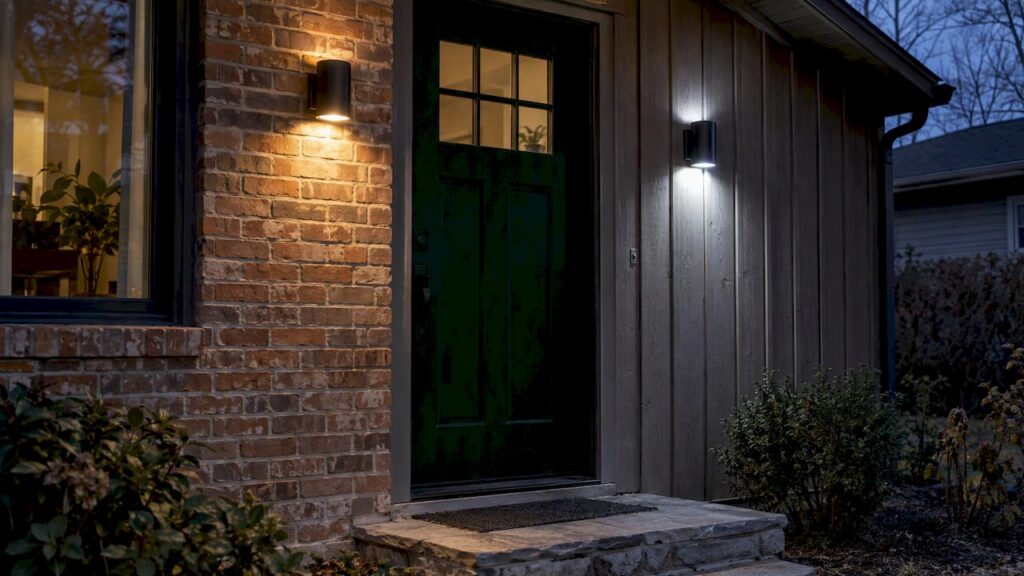
Warm white is a soft, yellowish light, usually around 2700K to 3000K, and it suits living spaces, bedrooms and most home exteriors. Cool white is a crisp, bluish light at 5000K or higher, and it suits tasks, workspaces and spots where you want a bright, clean look. The right pick depends on the room, the surfaces the light falls on and the mood you want. Outdoors and on holiday displays, a few extra details matter, and we cover them below.
TL;DR
- Warm white (about 2700K to 3000K) feels cozy and relaxed. Cool white (5000K to 6500K) feels bright, crisp and a little bluer.
- Cool white looks brighter to the eye, but brightness is set by lumens, not by the color of the light.
- For most home exteriors, landscape lighting and living areas, warm white is the safer choice. Cool white earns its place on task areas and in commercial spaces.
- On Christmas lights, white strands vary in tint from brand to brand, so buy all of one color from the same source.
- Pick one color temperature per area and stay consistent, so the property looks planned rather than patched together.
Table of Contents
- What the numbers on the box mean
- How warm and cool white feel in a room
- Is warm white better for your eyes?
- Warm white vs daylight LED
- Warm or cool white for outdoor lighting
- Warm vs cool white Christmas lights
- Our view: pick one temperature per zone
- Let us handle the lights and the landscape
- FAQ
- Sources
What the numbers on the box mean
Color temperature is measured in Kelvin (K). The scale describes the color appearance of the light itself, which is why University of Florida extension researchers describe warm white as about 2700K and cool white as 5000K. Higher numbers look bluer and cooler. Lower numbers look yellower and warmer.
For general home and commercial lighting in the US, bulbs typically range from 2000K to 6500K. Packaging uses a few common names for that range:
| Name on the package | Typical range | What it looks like |
|---|---|---|
| Warm white / soft white | 2700K to 3000K | Yellowish, comfortable, welcoming |
| Cool white | 5000K to 6500K | Bright, crisp, bluish |
| Daylight | Over 5300K | Similar to midday daylight |
The warm range comes from Ledvance’s lighting guide, which also gives 5000K to 6500K for cool white. A home automation maker’s color guide puts daylight white above 5300K and warm white at roughly 2700K to 3300K. Brands draw the lines in slightly different places, so check the Kelvin number, not just the name.
How warm and cool white feel in a room
Most people describe warm white as calming and cool white as energizing. Lighting engineers say the same: warm white has a comfortable, relaxing effect, while cool white can support concentration. That is why cool white is common in offices, retail stores, schools and warehouses.
A study of how people respond to both lights found that cool white light seemed brighter than warm white. It also found that preference depended on the surfaces in the room: white walls paired well with warm light, and blue walls paired well with cool light. In practice, the finish of your walls, siding, stone and plantings changes how a bulb looks. A cool bulb on warm beige siding can look washed out, and a warm bulb on gray stone can look muddy.
Brightness is not the same as color
Cool white only looks brighter. Actual output is measured in lumens rather than watts. The same source suggests roughly 20 lumens per square foot for a living space, 30 to 40 for kitchens and up to 70 to 80 for bathrooms where task lighting matters. If a warm bulb feels dim, move up in lumens before you switch to a cooler color. Our guide on shopping by lumens and avoiding dimmer problems explains how to do that with LEDs.

Is warm white better for your eyes?
Neither color is harmful for normal use, and comfort is largely personal. What does differ is the amount of blue in the light. Department of Energy testing of white LEDs found that the share of blue wavelengths was higher at 6500K than at 2700K. Blue-rich light at night is the main concern, which is why warm light is the usual choice for evening spaces.
If you have specific concerns about eye strain, headaches or sleep, talk to an eye doctor or your physician. A bulb color won’t settle those questions.
The disadvantages of cool white are mostly about atmosphere. In a living room or bedroom it can feel clinical, and on a home exterior it can look stark against brick, wood and natural stone.
Warm white vs daylight LED
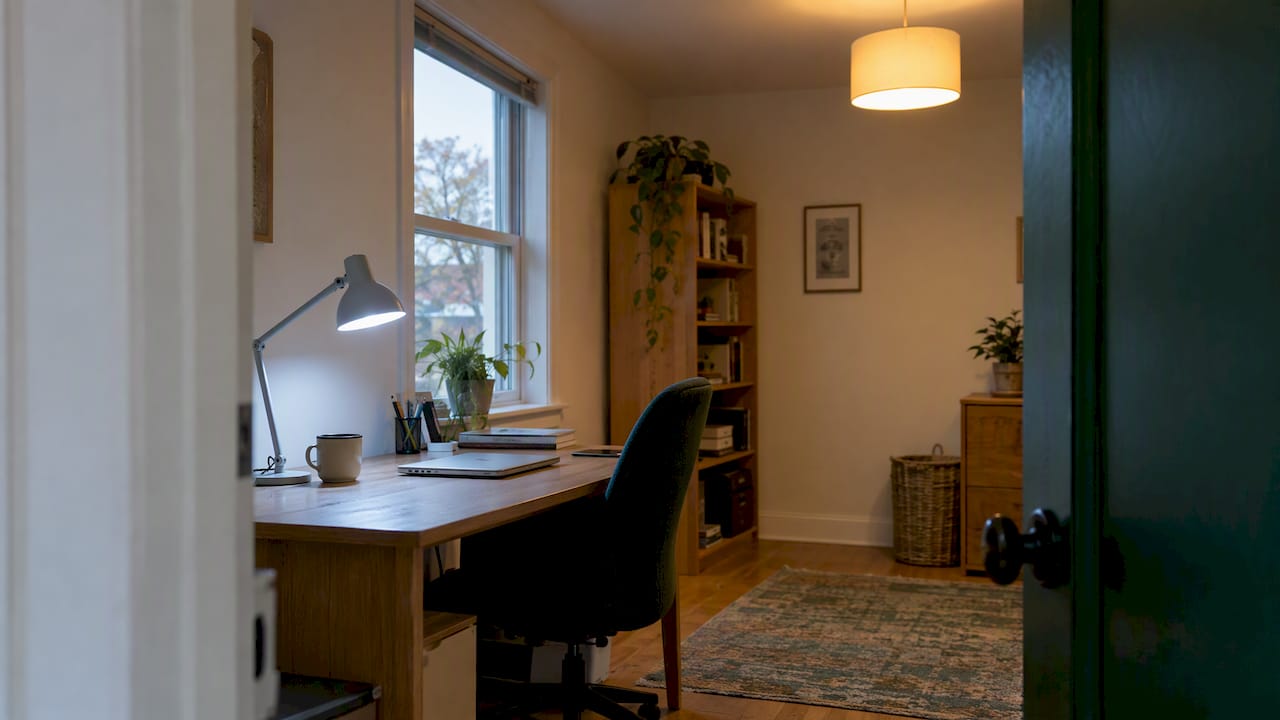
Daylight bulbs sit at the cool end of the scale and look closest to midday sun. They work in bathrooms, hallways, garages and home offices, where you want to see color and detail clearly. Warm white fits living rooms, dining areas and bedrooms. Many homeowners use both: warm for general light and a cooler bulb at a desk, workbench or vanity.
Warm or cool white for outdoor lighting
For outdoor fixtures, warm white is usually the better default. Lighting guidance from the energy field leans that way too: the American Medical Association encourages 3000K or lower for outdoor installations such as roadways, and the same presentation describes blue-rich white LED street lighting as far more disruptive to sleep cycles than older street lighting. Your yard is not a roadway, but the logic carries over: less blue light spills into bedrooms, onto neighbors and into the night sky.
Warm white also flatters what you are lighting. Mulch beds, tree bark, pavers and evergreen foliage all read richer under a yellower light. If you want more detail on choosing color temperature for outdoor fixtures, that guide shows how color choices play out around homes near sensitive habitats.
Cool white has a few good outdoor uses:
- Task areas such as a workshop entry, a garage apron or a utility side yard.
- Modern homes with gray, white or black siding, where a cooler light matches the palette.
- Commercial lots and building entries, where bright, crisp light helps visibility.
Whatever you choose, keep each zone consistent. A patio with warm path lights and one cool wall wash looks accidental. Around a paver patio, for example, warm lighting makes the stone and furniture feel inviting. Our paver patio work plans for this, so the lighting and the hardscape suit each other.
Warm vs cool white Christmas lights
On holiday lights, the difference is easy to see. Warm white strands give a soft, golden glow that suits traditional displays, wreaths and wood or brick exteriors. Cool white strands look icy and bluish, and they pair well with silver décor, blue accents and snowy scenes.
The catch is that white LED strands are not standardized. Lowe’s notes that white LED strands vary in hue: some have a warmer yellow tint and others a bluer one. Two boxes both labeled “white” can clash on the same roofline. To avoid that:
- Check the Kelvin rating or the words “warm white” or “cool white” on the package.
- Buy every strand for one area from the same product line and, if you can, the same production batch.
- Test the strands side by side at night before you hang them.
- Confirm they are rated for outdoor use before they go on the house.
- Match cord color to the surface: green cords blend into greenery, brown into trunks and fences, and white into snowy scenes.
Bulb shape also changes the look. If you are deciding between bulb sizes for your roofline, our installer’s guide to when to use C7 vs C9 lights covers it. If you would rather skip the ladder, see what to expect in our overview of holiday lighting installation cost and how booking in September and activating later works.
Our view: pick one temperature per zone
We install and maintain outdoor spaces across McHenry County, and the lighting mistakes we see are rarely about the wrong color. They come from mixing colors. A homeowner buys a few strands one year, a few more the next, and the front of the house ends up with three different whites.
Our advice is simple. Decide on warm or cool for the whole front of the house, and treat the back patio as its own zone. Look at what the light will fall on: our crews know how it reads on local brick, cedar mulch and evergreens through a long Illinois winter, when snow reflects light and makes cool white look even colder. For most homes in our area, warm white is the version people end up happiest with. For commercial entries and lots, a cooler, crisper light can make sense for visibility.
Whatever you choose, write it down. A note of the Kelvin rating and the product line saves you from guessing next season.
— Chas
Let us handle the lights and the landscape
If you would rather not source, test and hang strands yourself, Ivan’s Landscaping offers holiday lighting for homes and businesses in McHenry County, alongside landscape design, patios, seasonal maintenance and snow removal. Tell us whether you want warm or cool white, and we will plan the display to match your property. You can start with a free estimate on our main site.
FAQ
What is better, cool white or warm white?
Neither is better in every case. Warm white suits living spaces, bedrooms and most home exteriors because it feels relaxed and flatters natural materials. Cool white suits task areas, offices and places where a bright, crisp look matters.
Is warm white or cool white brighter?
Cool white looks brighter to most people, and research found it seemed brighter than warm white. Real brightness is set by lumens. A warm bulb with higher lumens can be brighter than a cool bulb with fewer.
Can I mix warm white and cool white lights?
You can in different areas, such as a warm living room and a cool-lit garage. Avoid mixing them within one space or on one roofline, because the contrast looks uneven.
Which white is best for Christmas lights?
Warm white is the most popular for traditional, cozy displays, and cool white fits icy, silver-and-blue themes. Buy every strand for one area from the same product line, since white LEDs differ in tint between brands.
Sources
- University of Florida IFAS: Energy Efficient Homes, Introduction to LED Lighting
- The Home Depot: Types of Light Bulbs
- Ledvance: Warm White vs Cool White
- Shelly: Overview of light color and ideal areas of application
- PMC: Effect of warm/cool white lights on visual perception and mood
- The Home Depot: How to Choose the Best Lighting for Your Home
- U.S. Department of Energy: Blue light characteristics of outdoor lighting sources
- U.S. Department of Energy: Progress in LED Technology for Solid-State Lighting
- Lowe’s: Christmas Lights Buying Guide
- The Home Depot: Outdoor-rated LED light listing