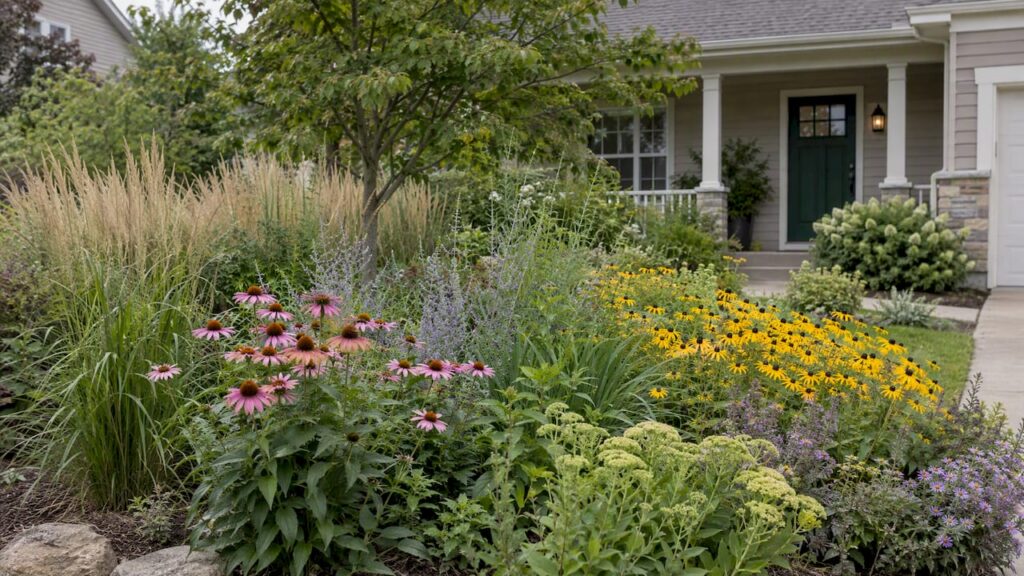
Illinois native plants are the species that grew wild here before settlement, and the best ones for a home landscape are prairie perennials like pale purple coneflower, wild bergamot and Golden Alexanders, grasses like little bluestem and prairie dropseed, and shrubs like New Jersey Tea and leadplant. This guide covers what “native” means, which species to start with, when they bloom, and how to choose plants that suit McHenry County yards.
TL;DR
- Native means the plant was growing wild in the area before scientific collection began. Some gardeners define it by state, others by county or ecoregion.
- Reliable starter perennials include Golden Alexanders, wild bergamot, pale purple coneflower, swamp milkweed and Culver’s root.
- For grasses, look at little bluestem, prairie dropseed and Indian grass. For shrubs, look at New Jersey Tea and leadplant.
- Local genotypes, grown from seed collected near you, improve your odds of success.
- Plan placement and spread before you plant: some natives are tidy, and some are built to take over.
Table of Contents
- What “native” means in Illinois
- Ten native perennials to start with
- Native grasses for Illinois yards
- Native shrubs for Illinois landscapes
- Choosing natives for McHenry County
- Why homeowners plant natives
- Our perspective
- Getting a native bed installed
- FAQ
- Sources
What “native” means in Illinois
Plants are generally called native when they were recorded as growing wild in an area when scientific collection began. The boundary is a judgment call. Some gardeners use all of North America, and others prefer their state, county or ecoregion.
A 2012 Forest Service definition is stricter: a native plant is a species that occurs naturally in a plant community or ecoregion without direct or indirect human involvement. For a homeowner, the practical test is simple. Ask whether the species belongs to the prairies, woodlands or wetlands of northern Illinois, not just whether it is sold as “native.”
Native flowers often have to be reintroduced because of land development, loss of prairie habitat and invasive non-native plants. Planting them in a yard is one way to bring some of that habitat back.
Ten native perennials to start with
The Illinois Department of Natural Resources publishes a Midwest pollinator plant list. It includes these ten, with benefits that range from supporting bees and monarchs to adding soil nitrogen and tolerating drought:
- Cream wild indigo
- Golden Alexanders
- Wild geranium
- Smooth penstemon
- Narrowleaf mountain mint
- Pale purple coneflower
- Purple prairie clover
- Swamp milkweed
- Wild bergamot
- Culver’s root
Pale purple coneflower deserves a note. The same list describes it as a native forb that withstands drought well and is a key nectar source for skippers.
Bloom times for pollinator plants
Illinois Extension’s recommended native plants handout gives bloom windows that help you stagger color from spring to frost:
| Plant | Bloom window |
|---|---|
| Golden Alexanders | May and June |
| Milkweeds (essential for monarchs) | June through September |
| Blazing stars | July through October |
| Asters (listed species) | August through October |
Planting at least one species from each row keeps nectar available through the season. Jack-in-the-pulpit, a shade woodland plant, flowers from April through May, so it covers the earliest weeks.
Native grasses for Illinois yards
Grasses give native beds structure and winter interest. The McHenry County Conservation District’s prairie plant page points to these:
- Little bluestem: known for fall color. Illinois Extension recommends it for northern Illinois home gardens and gives a height of 2 to 3 feet.
- Prairie dropseed: known for a fountain-like form.
- Side oats grama: known for distinctive seed structures.
- Big bluestem: suited to larger spaces. It blooms from September to October and can reach 3 to 8 feet.
- Indian grass: the Morton Arboretum considers it appropriate for the Chicago-area palette, especially where you want a full-sun, upright grass with winter interest and broad soil tolerance.
Match height to the bed. A 2-foot little bluestem works near a walkway, and an 8-foot big bluestem belongs at the back of a large planting or along a property edge.
Native shrubs for Illinois landscapes
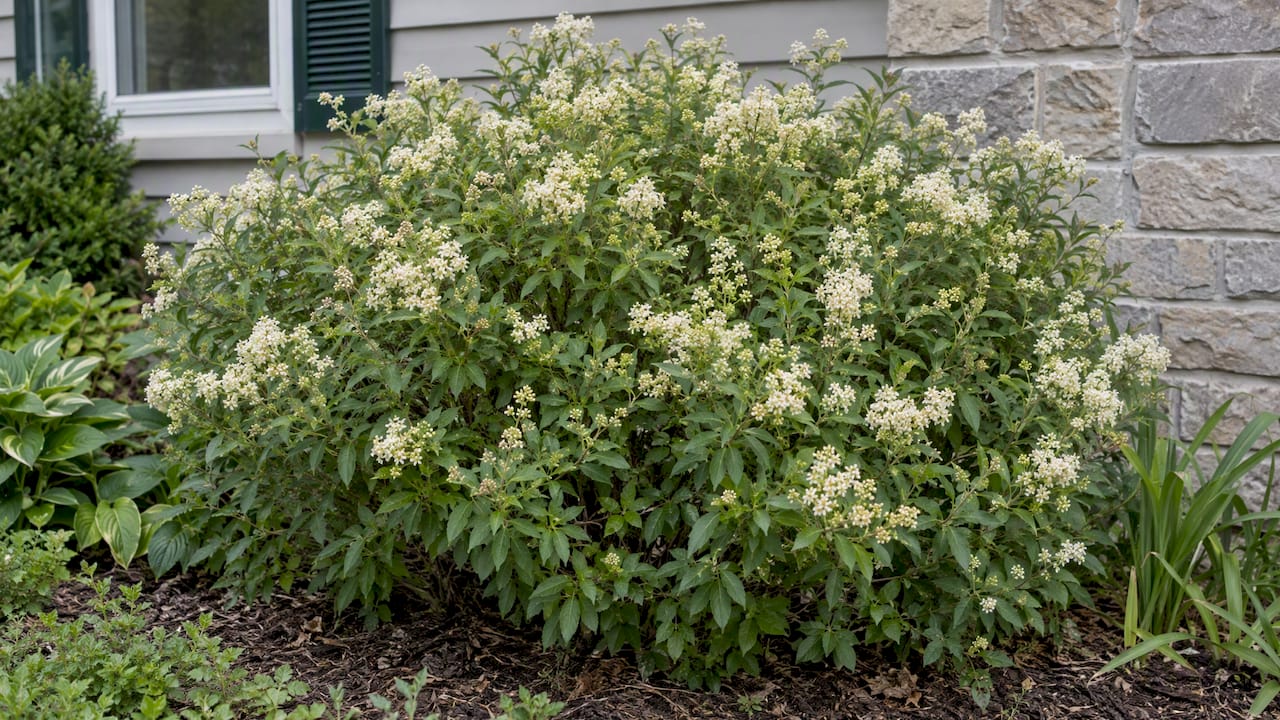
Native shrubs are fewer in the usual garden lists, but two are easy to place. Illinois Extension lists leadplant and New Jersey Tea, both with June and July bloom times. New Jersey Tea blooms white and reaches 2 to 4 feet, so it fits foundation beds and borders without overwhelming them.
For larger structure, the McHenry County Conservation District groups its native plant list into prairie, wetland, woodland, and shrubs, trees and vines. The Illinois Extension also notes that oak, maple, hickory and dogwood are native to Illinois, which is useful if you are planning a shade tree or an understory planting. If you want help with trees and shrubs, our tree and shrub planting service covers McHenry-area properties.
Choosing natives for McHenry County
Three decisions matter more than the species list.
Use local genotypes. The same species adapts differently in different areas. The District advises that locally grown plants with local genotypes increase the chances of success. Ask suppliers where the seed originated.
Plan for spread. The District notes that aggressive species may not suit a tidy formal bed, but can be desirable where fast spreading is the goal. Inland sea oats is one example: a North Carolina Extension profile says it may spread aggressively by rhizomes and seed. Put spreaders in a bed with a clear edge or in a naturalized area.
Match light and moisture. Swamp milkweed and Golden Alexanders like moist soil. Pale purple coneflower and purple prairie clover handle dry, sunny spots. Wild geranium and Jack-in-the-pulpit prefer shade.
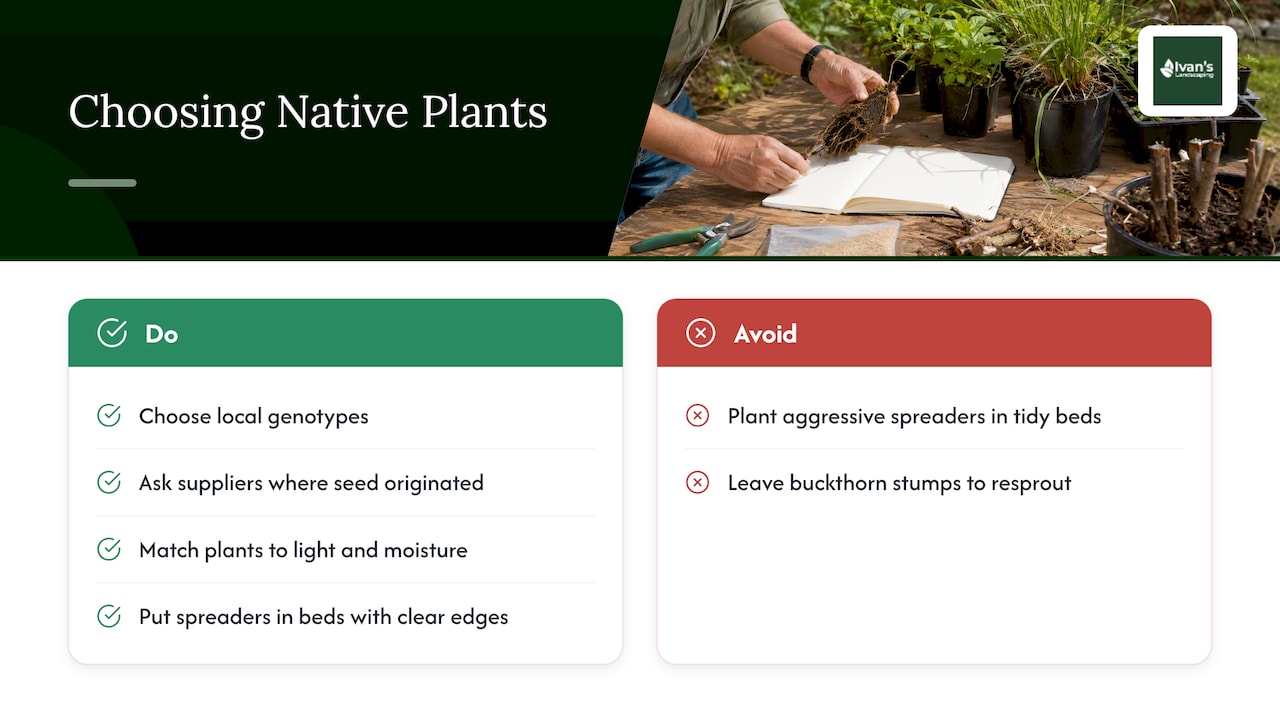
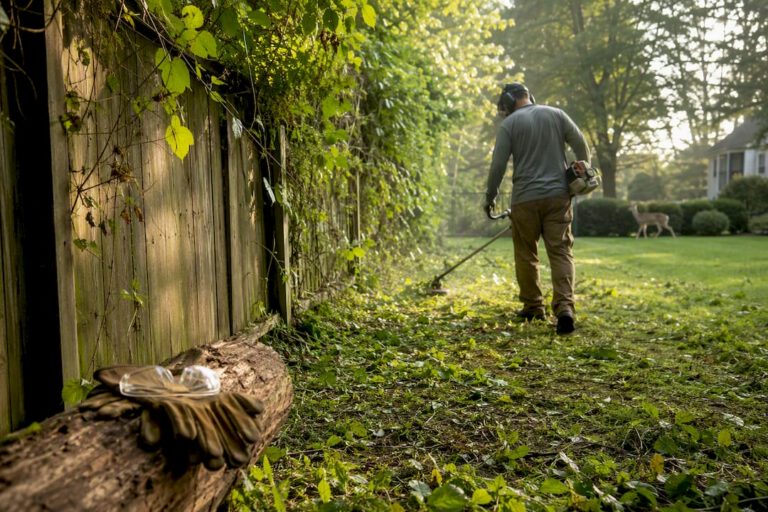
Clear invasives first. A buckthorn stump left alone will resprout under your new plantings, so see our guide to stopping buckthorn resprouts before you plant.
Why homeowners plant natives
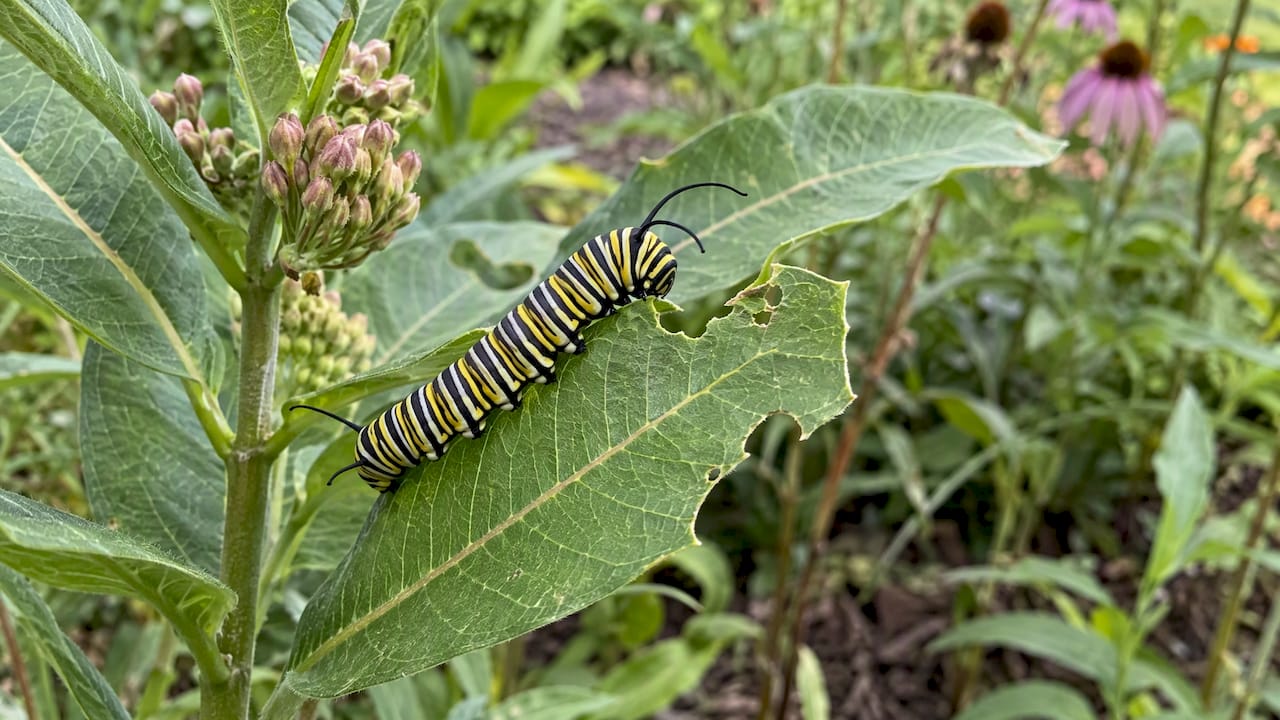
Wildlife and native plants evolved together. Monarch caterpillars, for example, can withstand milkweed’s toxic traits. Doug Tallamy’s studies found feeding damage was higher on non-native plants, while damage on natives stayed below the 10% level homeowners typically notice.
Maintenance is the other draw. Native plants promote clean water by reducing garden inputs, and they rarely need fertilizer or pesticides when planted in conditions similar to their natural ecosystems. If low upkeep is your goal, our low-maintenance landscaping ideas pair well with a native bed.
Our perspective
Most native plantings that disappoint fail in the first season, and the cause is rarely the plants. It is a bed with no clear edge, no mulch plan, and weeds that were never cleared before planting.
We design native beds the way we design any bed: define the edge, set the scope in writing, prepare the soil, then place plants by height, light and spread. We keep job sites clean, and our satisfaction guarantee applies to the work we do.
A seasonal or annual maintenance plan helps natives most in years one and two, when it is hardest to tell a seedling from a weed.
Chas
Getting a native bed installed
If you want a native bed designed, prepared and planted without learning it all yourself, Ivan’s Landscaping serves McHenry County, including Crystal Lake, Algonquin, Lake in the Hills, Cary, Huntley and Woodstock. We handle landscape design, mulch installation, spring and fall cleanup, and annual maintenance plans, and we give free estimates with a quick response.
FAQ
What are 10 native plants in Illinois?
Good starting points are cream wild indigo, Golden Alexanders, wild geranium, smooth penstemon, narrowleaf mountain mint, pale purple coneflower, purple prairie clover, swamp milkweed, wild bergamot and Culver’s root. They come from the Illinois DNR Midwest plant list. Check each plant’s light and moisture needs before choosing.
Are hostas native to Illinois?
No. Hostas do not appear on the Illinois native lists cited here and are an introduced garden ornamental. If you want a native for shade, wild geranium and Jack-in-the-pulpit are better matches.
What native shrubs grow in Illinois?
New Jersey Tea and leadplant are two that Illinois Extension recommends for home gardens, both blooming in June and July. Native trees such as oak, hickory and dogwood also fill the shrub-and-small-tree role in larger yards.
Which native grasses work in northern Illinois?
Little bluestem, prairie dropseed, side oats grama, big bluestem and Indian grass are all listed by regional sources. Choose by height: little bluestem for smaller beds, big bluestem for large spaces.
Sources
- Wildflowers, Illinois Extension
- How Native is Native?, Illinois Extension
- Midwest Region pollinator plant list, Illinois DNR
- Recommended native plants for home gardens, Illinois Extension
- Jack-in-the-pulpit, Illinois DNR
- Prairie plants, McHenry County Conservation District
- Native plant information, McHenry County Conservation District
- Indian grass, The Morton Arboretum
- Chasmanthium latifolium, NC State Extension
- Attracting wildlife with native plants, Illinois Extension
- Illinois Native Plants guide, Chicago Grows Food