Clear a 3 to 6 ft corridor along your fence now, finish the last 12 to 24 inches by hand near posts and hardware, and flag any suspected buried wire before you start. That is the whole job in one sentence. Expect to pay $1.00 to $4.00 per linear foot if you hire it out, depending on how dense the brush has gotten. The University of Minnesota Extension and similar programs agree on one point: early control beats reclaiming an overgrown line every time.
- Walk the fence line first and mark anything that looks like buried wire or old posts.
- Cut back the bulk of the growth mechanically, then finish close to the fence by hand.
- Call a professional like Ivan’s Landscaping if trees have grown through the wire, the terrain is too rough for equipment, or the fence itself is partially buried.
Pro Tip: Walk the entire line before you cut anything. A five-minute scouting pass saves you from running a mower into a hidden gate latch or a chunk of buried fence wire.
Key Takeaways
Clearing a fence line properly means combining the right corridor width, the right tools for each zone, and a hand-finish buffer near the fence itself to prevent damage and control long-term costs.
| Point | Details |
|---|---|
| Corridor width sets the schedule | A 3 to 6 ft corridor needs yearly attention; 20-plus ft can last five to seven years between full clears. |
| Buffer zone protects the fence | Stop machines 12 to 24 inches from the fence and finish by hand to avoid cutting wire or damaging posts. |
| Costs scale with density | DIY-vs-hire decisions often come down to $1.00 to $4.00 per linear foot for professional clearing. |
| Early control saves money | Treating seedlings and small brush each spring is cheaper than reclaiming an overgrown line later. |
| Professional help closes the gap | Ivan’s Landscaping offers fence line clearing, brush removal, and seasonal maintenance plans for jobs beyond DIY scope. |
Where to Verify These Numbers and Recommendations
- Bear Claw Land Clearing: per-foot costs and clearing width recommendations.
- AgDaily: extension-style vegetation management guidance.
- Precision Land Services: safe buffer distances and root protection.
- Brush Busters NJ: workflow steps and per-100-ft cost examples.
- Fixr.com: fence pressure-washing cost comparison.
Table of Contents
- What Is Fence Line Clearing and Why Does It Matter?
- How Do You Clear a Fence Line Step by Step?
- What Tools Work Best for Different Fence Types?
- When Should You Use Herbicides Instead of Mowing?
- When Should You Hire a Fence Line Clearing Contractor?
- What Safety and Permit Issues Should You Check First?
- How Often Should You Maintain a Cleared Fence Line?
- Sources
What Is Fence Line Clearing and Why Does It Matter?
Fence line clearing means keeping a maintained corridor along a fence free of brush, vines, and encroaching trees so the fence stays visible, accessible, and structurally sound. It is not a one-time cleanup. It is ongoing fence line maintenance that protects an asset you already paid for.
The payoff shows up in a few concrete ways:
- Faster inspections. You can spot a leaning post or a snapped wire without wading through brush first.
- Less rot and rust. Vegetation pressed against wood or metal traps moisture, which accelerates post rot and hides damage until it’s serious.
- Lower fire and pest risk. Dry brush against a fence line is fuel, and thick growth gives rodents and ticks a place to nest.
- Clear boundary lines. An open corridor makes property lines and legal boundaries easy to confirm at a glance.
Extension research backs a simple rule here: catching weeds and saplings early is far cheaper than reclaiming an established thicket. Waiting a season or two turns a weekend job into a multi-day equipment rental.
Pro Tip: Treat your fence line like gutters. A little attention twice a year beats a full-blown emergency clear every five years.
How Do You Clear a Fence Line Step by Step?
Clearing brush along fences works best as a sequence, not a free-for-all. Rushing straight at the fence with a chainsaw is how wire gets cut and posts get knocked loose.
- Assess and prep. Walk the full length, measure it, and note the fence type (woven wire, barbed wire, wood panel). Flag any spot where you suspect buried wire, old staples, or a shifted property line. If you’re near utility easements, call before you dig or grind stumps.
- Clear the bulk first, away from the fence. Start several feet off the line with a brush mower or mulcher and work in layers toward the fence, not along it. This keeps you from surprising yourself with hidden obstacles right next to the wire.
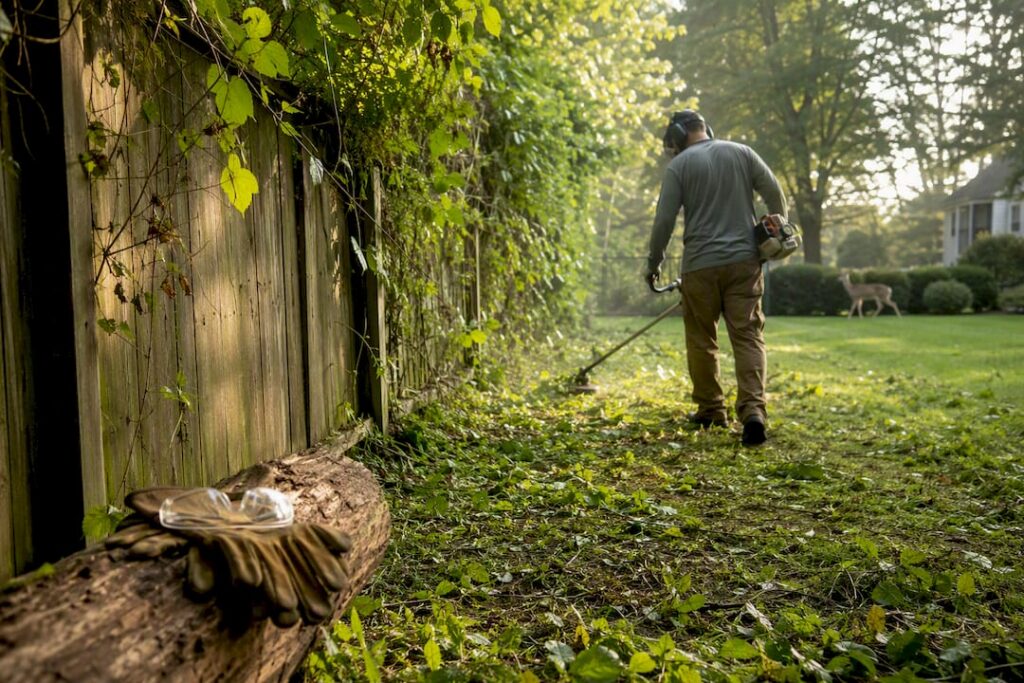
- Switch to smaller tools as you approach. Once you’re inside 12 to 24 inches of the fence, put the mower away and finish with a chainsaw, brush saw, or hand tools. This buffer zone is where most fence damage happens if you skip it.
- Handle debris as you go. Windrow the cut material, chip it, mulch it in place, or haul it off. Burning is an option only where local rules allow it. Pull and separate any old wire for recycling instead of leaving it tangled in the brush pile.
- Inspect the fence itself. With the corridor open, check every post, wire, and fastener. Make temporary repairs now if something is loose, and note anything that needs a full repair or replacement later.
- Old fencerows often hide barbed wire fragments in the grass, so wear boots that can take a puncture.
- Keep a pair of fence pliers on hand for quick temporary fixes discovered during the walk-through.
Pro Tip: When wire location is uncertain, clear one side of the fence completely before touching the other. This “one side first” approach lets you see the wire and posts clearly before you commit equipment to the second side, which cuts your risk of cutting a wire you didn’t know was there.
What Tools Work Best for Different Fence Types?
The right tool depends on scale and how close you are to the fence, not just how thick the brush is.
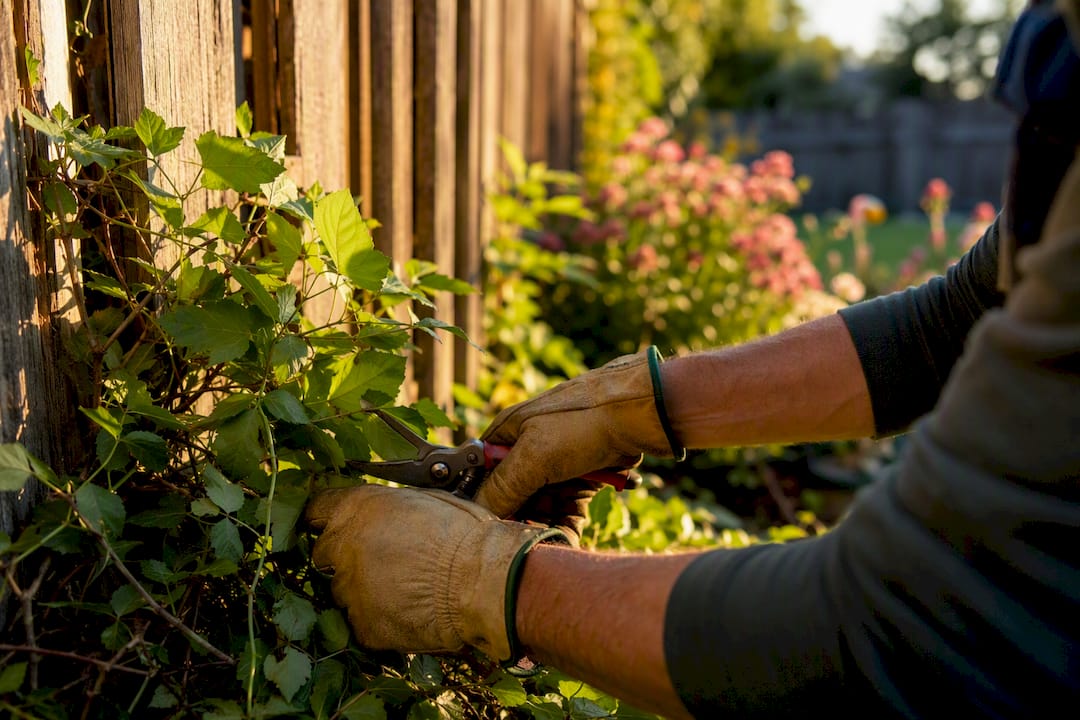
For small jobs and precision work near posts, loppers, hand pruners, reciprocating saws, and string trimmers do the job without risking the fence. They’re the standard choice for three-board fences, panel fences, and any spot where a machine could nick a post. The tradeoff is time. Clearing a quarter mile by hand takes real hours.
Mid-scale jobs call for brush mowers, brush hogs, or tractor-mounted cutting attachments. These handle tall grass and young saplings fast if you already have a tractor or can rent one, but they need open, relatively flat ground to run safely.
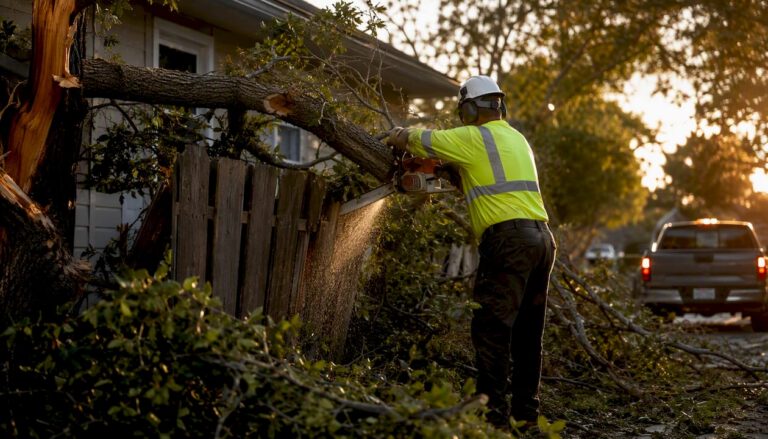
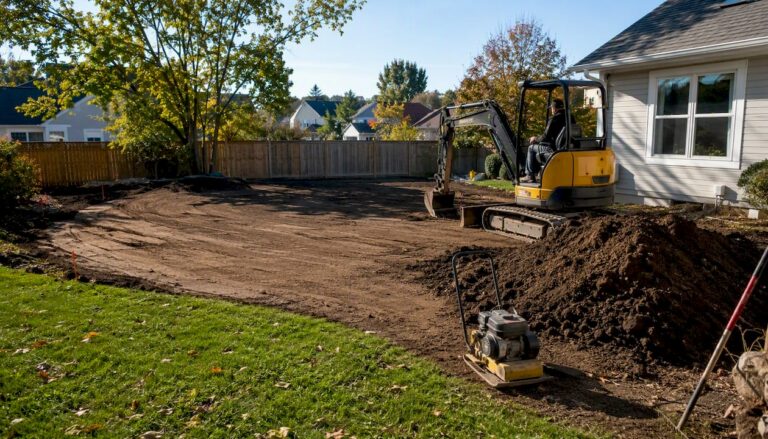
For heavy, overgrown lines, skid-steer forestry mulchers and excavators clear brush in a fraction of the time hand tools would take. They also carry the highest risk to the fence and to buried wire if the operator isn’t experienced, so this is where hiring a professional starts to make financial sense.
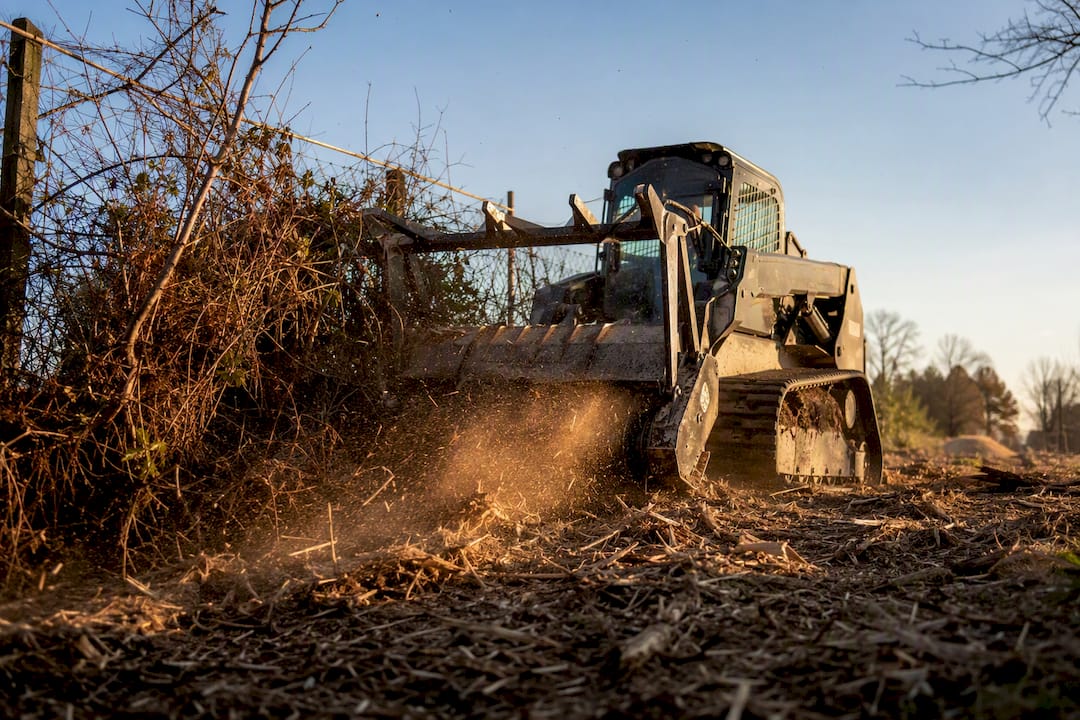
| Equipment Type | Best For | Main Tradeoff |
|---|---|---|
| Hand tools (loppers, saws, trimmers) | Panel and board fences, work near posts | Slow on long runs |
| Brush mower or brush hog | Tall grass, saplings, mid-size acreage | Needs decent ground clearance and access |
| Forestry mulcher or excavator | Heavy brush, overgrown lines, large acreage | High skill requirement, buried-wire risk |
Pro Tip: Whatever machine you use, stop 12 to 24 inches from the fence and finish by hand. That buffer is the single biggest factor in whether your fence survives the clearing job intact.
When Should You Use Herbicides Instead of Mowing?
Mechanical clearing wins when you’re working near ornamental plants, in areas where herbicide use is restricted, or when you just need one clean pass. Herbicides earn their place when regrowth keeps coming back season after season and hand-cutting the same saplings twice a year stops being worth your time.
Spot treatments work well for isolated brush clumps along a fence, while broadcast spraying suits long, uniform stretches of unwanted growth. Timing matters. A dormant-season application often knocks back woody brush more effectively than spraying during active growth, and selective broadleaf herbicides can clear weeds while leaving desirable grasses intact.
Extension guidance consistently recommends matching the method to the species present, rather than defaulting to one approach for the whole property. Combining mechanical removal for the initial clear, occasional grazing where livestock access allows it, and spot herbicide for regrowth tends to outperform any single method used alone.
- Read and follow the label. Setbacks near water and wells are not optional.
- Wear gloves, eye protection, and long sleeves, even for spot spraying.
- Check municipal rules before broadcast spraying near property lines.
Pro Tip: Spray small woody regrowth in late fall after leaf drop but before hard freeze. Dormant-season treatments often need less product to get the same result as a summer application.
When Should You Hire a Fence Line Clearing Contractor?
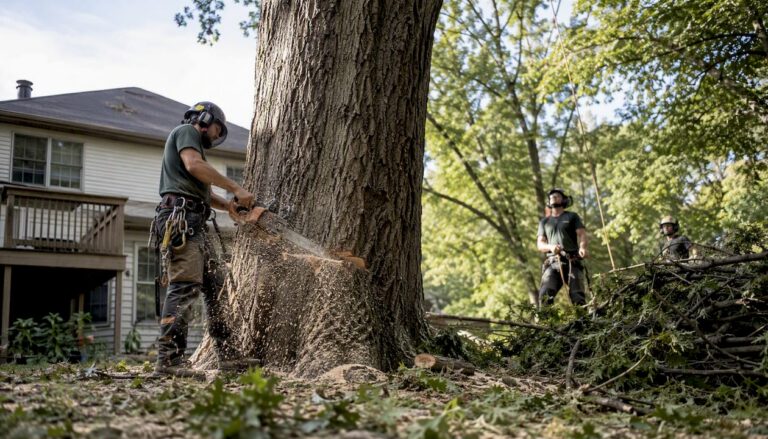
Some jobs are a weekend project. Others are a liability if you tackle them yourself. Hire a professional when trees have grown directly through the wire, when the fence line runs through terrain your equipment can’t safely reach, or when you suspect the fence itself is partially buried under years of soil buildup and leaf litter.
Before you sign anything, ask a contractor these questions:
- Are you licensed and insured for this type of work?
- Have you handled fence line jobs specifically, not just general brush clearing?
- What equipment will you use, and how do you handle known or suspected buried wire?
- What’s included in cleanup and debris disposal?
- Can you provide local references?
- What’s the expected timeline from quote to completion?
Cost guidance varies with vegetation density. A recommended workflow of flagging wire and clearing one side at a time typically runs $200 to $1,000 per 100 linear feet depending on how old and dense the growth is. If you’re coordinating with a neighbor on a shared line, or bundling the job with a larger land clearing project, you can often bring the per-foot cost down through shared mobilization.
- Check a contractor’s standing through the Better Business Bureau or local review platforms before hiring.
- Get the scope and price in writing, including what happens if buried wire or unexpected obstacles turn up mid-job.
Pro Tip: Ask every contractor the same buried-wire question. Their answer tells you more about their experience than their equipment list does.
What Safety and Permit Issues Should You Check First?
Call 811 before any digging, stump grinding, or heavy equipment work near your fence line. Utility lines don’t always run where you’d expect, and hitting one turns a maintenance job into an expensive, dangerous problem.
Protect nearby trees using a simple rule of thumb: give roots 1 ft of radius for every inch of trunk diameter, and keep heavy machines out of that zone. Compacted soil and severed roots can kill a mature tree slowly over several seasons, long after the clearing crew has left.
If your property borders a wetland, shoreline, or waterway, check local zoning rules before removing vegetation there. Many municipalities also restrict open burning of debris, so confirm before you pile brush for a burn.
- Wear cut-resistant chaps and eye protection anytime a chainsaw is running.
- Keep a safe buffer between machine operators and anyone working near posts by hand.
- Set up traffic control or warning signage if the fence line runs along a road.
How Often Should You Maintain a Cleared Fence Line?
Maintenance frequency tracks directly with how wide you cleared and what’s growing back. A narrow corridor needs a look every year or as soon as you spot regrowth. A 10 to 15 ft cleared strip typically holds for three to five years before it needs a real pass again, while a 20-plus ft corridor can stretch five to seven years or longer between major clears.
Seasonal timing helps too. Spot-treat seedlings in spring while they’re small and easy to kill. Mow or brush-cut through summer as growth peaks. Fall is your window for dormant herbicide application on woody brush. Winter, when the ground is frozen, is often the best time for heavy equipment work since frozen soil resists compaction and rutting.
- Walk the line each spring and note where regrowth is starting.
- Mow or brush-cut once during the growing season to stay ahead of saplings.
- Spot-spray young woody growth before it gets past ankle height.
- Keep a simple log of problem spots so next year’s pass targets them directly.
Combining a professional initial clear with a simple annual or biennial maintenance pass is usually cheaper over the long run than letting the line grow back and paying for a full re-clear every few years.
What Does Field Experience Actually Teach You?
String trimmers burn through fishing line fast once weeds tangle in wire fencing, and pushing a machine too close to the fence is how you end up buying new hardware instead of just cutting grass. The fix is simple: finish the last stretch by hand, every time.
Staying ahead of small seedlings each spring beats letting them turn into a reclaiming project. After maintaining more than 2,500 ft of fencing, the pattern is consistent: an open, walkable corridor makes inspection and repair dramatically faster, and that speed saves money over years, not just one season.
Pro Tip: If a section of fence line keeps regrowing faster than the rest, that’s usually a sign of a seed source nearby, like a hedgerow or windbreak dropping seed onto your corridor every fall.
A Landscaper’s Take on Fence Line Priorities
Protecting the fence matters more than clearing fast. Ivan’s Landscaping stays a solid option for property owners who’d rather hand off the buried-wire guesswork.
Get Professional Fence Line Clearing Done Right
Skipping the hand-finish step near posts is the most common way DIY fence clearing turns into a repair bill. Ivan’s Landscaping handles the whole sequence: initial inspection, brush clearing with forestry mulchers and precision hand tools near hardware, tree removal where growth has taken over the wire, stump grinding, full debris cleanup, and seasonal maintenance plans to keep the corridor from closing back in. A quote typically covers the scope of work, per-foot pricing based on vegetation density, a realistic scheduling window, and a clear cleanup policy so you’re not left with brush piles. If your fence line has gotten past what a weekend of loppers can handle, request a free estimate through Ivan’s Landscaping’s service page and get a scope and price before anything gets cut. Property owners near Cary can also check local landscaping services in Cary, IL for scheduling specific to that area. For debris you’d rather repurpose than haul off, a partner resource on mulch installation covers turning wood chips into usable ground cover.
Sources
- Fence Line Clearing & Reclamation in Texas: Complete Guide 2026 | Bear Claw Land Clearing
- How to Manage Weeds Along a Fenceline on Larger Properties | AgDaily
- Fence-line clearing | Precision Land Services LLC
- Fence Row Clearing in NJ | Guide for Farmers | Brush Busters