Mulch your grass most of the time. Leave the clippings, let them break down, and skip the bag unless the lawn is overgrown, wet, diseased, or you need a magazine-clean finish for a specific event. The one condition that makes mulching safe every time: never cut off more than one-third of the blade height in a single pass. Miss that rule, and bagging becomes the smarter short-term fix.
TL;DR:
- Mulching is suitable almost all year and can supply up to 25% of a lawn’s annual nitrogen needs, reducing fertilizer costs.
- Bagging is necessary only when grass is overgrown, wet, diseased, or after herbicide applications, to prevent disease spread and achieve a clean look.
- Using sharp mower blades and mowing dry grass within a weekly schedule ensures effective grasscycling and minimizes clumping or disease risk.
- Avoid mulching tall or wet grass to prevent residue buildup, and always mow with the blade height not reducing more than one-third of the grass height at once.
- Lawn size and condition, seasonal timing, and client preferences influence whether a professional crew mulches or bags, with many opting for mulching during normal maintenance.
Table of Contents
- Mulching vs Bagging Grass: What Each Method Actually Does
- Pros and Cons of Mulching and Bagging Grass Clippings
- When Should You Mulch or Bag? A Mowing Decision Checklist
- Mower Setup and Habits That Make Mulching Work
- How Clippings Affect Soil Health and the Environment
- How a Landscaping Crew Decides Between Mulching and Bagging
- What I’d Actually Do With My Own Lawn
- Let Ivan’s Landscaping Handle the Mow-by-Mow Decisions
- Sources
- FAQ
Mulching vs Bagging Grass: What Each Method Actually Does
Mulching, sometimes called grasscycling, means leaving finely cut clippings on the lawn instead of collecting them. The mower’s blade chops the grass into small pieces that settle down into the turf canopy and decompose within days. Bagging removes those clippings entirely, using a mower attachment to collect them for disposal, composting, or municipal yard waste pickup. Side discharge sits in between: the mower ejects clippings out the side in larger clumps rather than chopping and dropping them, which works fine on light growth but tends to leave visible rows on taller grass.
The practical differences show up fast once you compare them:
- Appearance: Mulching can leave short-term fleck visible on longer grass; bagging leaves an instantly clean surface.
- Time: Mulching skips the emptying and hauling step entirely; bagging adds minutes to every mow.
- Waste: Mulching returns organic matter to the soil; bagging generates yard waste that has to go somewhere.
- Nutrients: Mulching feeds the lawn as clippings break down; bagging removes that nutrient load along with the grass.
Neither method is universally right. The lawn’s condition on any given day decides which one makes sense.
Pros and Cons of Mulching and Bagging Grass Clippings
The benefits of mulching lean heavily toward soil health and time savings, but the method has real limits when grass gets away from you.
Mulching advantages:
- Returns nitrogen and organic matter directly into the soil as clippings decompose.
- Helps the lawn retain moisture between waterings.
- Cuts yard waste and eliminates bag disposal entirely.
- Saves five to ten minutes per mow by skipping the bag emptying step.
Mulching disadvantages:
- Leaves visible clumps and residue if the grass was too tall before cutting.
- Isn’t advisable right after certain herbicide applications, since clippings can carry active ingredients.
- Not recommended when disease symptoms are visible on the turf.
Bagging solves the problems mulching creates in those exact scenarios, at a cost.
Bagging advantages:
- Delivers an immediately clean, uniform finish.
- Controls the spread of fungal disease by removing infected material from the lawn.
- Handles excess volume from tall or wet grass without clumping.
Bagging disadvantages:
- Removes nutrients that would otherwise feed the lawn for free.
- Adds yard waste volume. Extension research from Illinois notes that grass clippings can make up a significant portion of curbside yard waste by weight during peak summer growth.
- Costs more time per mow and, if using municipal pickup, sometimes money for bags or hauling.
Statistic to remember: clippings run about 4% nitrogen by weight, and letting them decompose in place can supply as much as a quarter of a lawn’s annual fertilizer needs, according to Oregon State University Extension. That’s a real reduction in fertilizer spend for doing nothing at all.
When Should You Mulch or Bag? A Mowing Decision Checklist
Run through this sequence before you start the mower, and the mulch versus bag decision practically makes itself.
- Check grass height. If you’re removing more than one-third of the blade in this cut, stop and mow higher first, or plan to bag this pass.
- Check moisture. Wet grass clumps and clogs the deck. Wait a day if you can; if you can’t, bag it.
- Check for disease. Brown patches, rust-colored spots, or unusual thinning mean bagging is the safer call, per University of Minnesota Extension guidance on disease control.
- Check herbicide history. If you applied a weed-and-feed product in the last three mowings, skip using those clippings as mulch or compost until the label’s safe interval has passed.
- Check the calendar for special events. Need the yard picture-perfect for a weekend gathering? Bag that one mow, then return to mulching afterward.
If you’ve missed a week or two and the lawn has gotten away from you, don’t try to mulch it all in one pass. Set the deck high and bag the first cut to bring the height down, then lower the deck and mulch on a second pass once the grass is short again. That two-pass approach avoids smothering the lawn in thick clumps while still letting you return to grasscycling quickly.
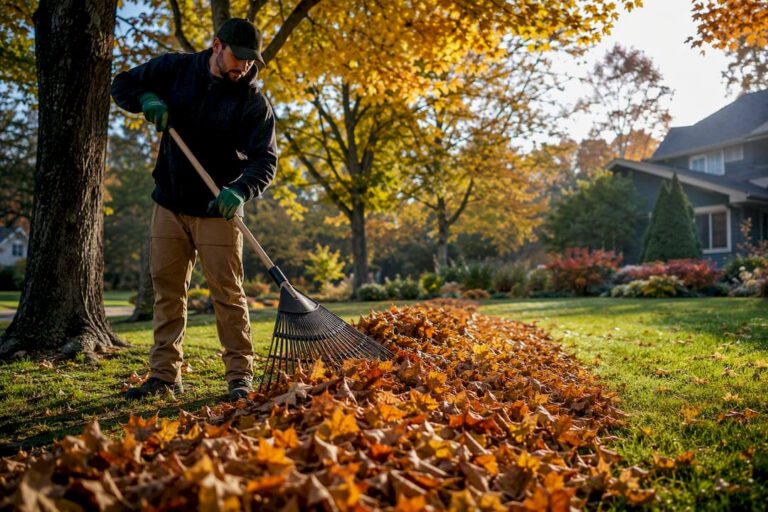
Seasonal timing matters too. The first mow of spring often involves matted, damp growth, which usually calls for bagging. Heavy leaf drop in fall is really a separate issue from grass clippings, but running the mower over light leaf litter and mulching it in with the grass works well; save bagging for when leaves pile more than an inch or two deep.
Pro Tip: Mow on a schedule tied to growth rate, not the calendar. During peak spring growth that might mean every five days instead of every seven, which keeps you inside the one-third rule without extra effort.
Mower Setup and Habits That Make Mulching Work
You don’t need a dedicated mulching mower to grasscycle successfully. A standard mower handles it fine as long as a few habits are in place, according to University of Maryland Extension.
Blade sharpness matters more than almost anything else in this equation. Sharpen mower blades every 20 to 25 hours of use. A sharp blade slices grass cleanly, which decomposes faster and stresses the plant less. A dull blade tears the grass, leaving ragged edges that brown, slow decomposition, and raise disease risk.
Mulching kits and specialized blades help, but they’re not mandatory:
- A mulching blade has extra cutting edges that re-chop clippings into finer pieces before they drop.
- A mulching kit blocks the side discharge chute, forcing clippings back down into the canopy.
- On a lawn mowed weekly at the right height, a standard blade and deck often perform just as well.
Technique fills the rest with the gap. Mow when the grass is dry, since wet clippings clump instead of dispersing evenly. Keep a steady pace rather than rushing, and alternate your mowing direction from week to week to avoid ruts and encourage upright growth. Electric and battery mowers tend to run at consistent speeds that produce more even clipping size, which is a small but real advantage for anyone grasscycling regularly.
How Clippings Affect Soil Health and the Environment
Clippings decompose in days, not weeks, largely because they’re mostly water. Research cited by the EPA’s archived Greenscaping guidance puts clipping water content between 75% and 90%. That high water content is also the reason mulching does not cause thatch, despite one of the most persistent myths in lawn care.

Thatch is a layer of undecomposed roots, stems, and stolons packed with lignin, a tough structural compound that resists breakdown. Grass blade clippings contain very little lignin by comparison, so they break down long before they could contribute meaningfully to a thatch layer. If your lawn has thatch, the cause is almost always something else: infrequent mowing, overwatering, or certain grass varieties prone to heavy stem growth.
The nutrient case for mulching keeps showing up across multiple extension studies:
- Clippings can return roughly 25% of a lawn’s annual nitrogen needs, per Oregon State University Extension.
- Some conditions allow homeowners to skip one fertilizer application per year entirely by grasscycling consistently.
- Reducing bagged yard waste cuts down on municipal collection costs and the methane generated when organic material breaks down in landfill conditions, a point Illinois Extension raises directly.
If you do bag, the clippings still have value. Composting them or using them as garden mulch (once any herbicide safe-interval has passed) keeps those nutrients working instead of sending them to a landfill.
How a Landscaping Crew Decides Between Mulching and Bagging
On a professional crew, the mulch or bag decision gets made property by property, not as a blanket policy. During regular weekly mowing, most properties get mulched, since the grass is short and even, and it keeps costs down for the client. Seasonal cleanups are a different story: spring cleanups often involve matted, overgrown turf coming out of winter, and that material typically gets bagged and hauled rather than mulched back in.
Ivan’s Landscaping treats it as a client-preference question as much as a turf-health one. Some property owners want every clipping gone for a consistently manicured look; others want the nutrient return and don’t mind a little short-term texture after a mow. If you’re working with a lawn care crew, it’s worth saying outright whether you want clippings mulched, bagged, or hauled, especially after a herbicide treatment or during a heavy growth stretch in spring.
What I’d Actually Do With My Own Lawn
Mulch by default. It’s less work, it feeds the lawn for free, and the OSU and Minnesota Extension research backs it up consistently. Bag in three situations only: the grass got away from you and is genuinely overgrown, you’re seeing disease symptoms you can’t explain any other way, or you need the yard looking sharp for a specific occasion.
If you hire out your mowing, say exactly what you want. “Mulch it, but bag the first cut this spring” is a complete instruction a good crew can act on immediately. Try mulching for one full season and watch what happens to your fertilizer bill and your soil. Most homeowners are surprised how little they miss the bag.
— Chas
Let Ivan’s Landscaping Handle the Mow-by-Mow Decisions
Deciding whether to mulch or bag every single week is exactly the kind of detail that eats up a Saturday. Ivan’s Landscaping’s lawn mowing service applies the one-third rule and blade-sharpening standards described above on every visit, without you having to track mowing intervals or grass height yourself. When your yard needs more than a routine mow, the spring and fall cleanup service handles the overgrown, matted, or leaf-covered conditions that call for bagging, and fresh material from the mulch service can refresh your beds at the same visit.
When you book, just tell the crew what outcome you want regarding how clippings are handled or any relevant herbicide use information. Request a free estimate from a landscaping company to get a mowing and maintenance plan built around what your lawn actually needs this season.
Sources
The guidance above draws on university turf science and federal waste-reduction research rather than lawn care folklore.
- Leave grass clippings on the lawn for a greener, healthier yard | OSU Extension Service
- What to do with lawn clippings | University of Minnesota Extension
- Greenscaping your lawn and garden | EPA (archived)
- Recycle your grass clippings | Illinois Extension
FAQ
What is the one-third rule for mowing?
The one-third rule means never cutting off more than one-third of the grass blade’s height in a single mow. Staying inside that limit keeps clippings small enough to decompose quickly, which is what makes mulching work without clumping, according to Oregon State University’s mowing guidance.
Is there a downside to mulching grass?
Mulching can leave visible clumps or residue if the grass was too tall before cutting, and it’s not recommended right after a herbicide application or when disease symptoms are present. Outside of those situations, the downsides are minor compared to the nutrient and time savings.
How many bags equal one yard of mulch?
That question usually refers to bagged landscape mulch, not grass clippings, and the answer depends on bag size. A cubic yard is equal to multiple standard 2 cubic foot bags of mulch, though for larger areas a bulk delivery from a service like Ivan’s Landscaping’s mulch installation is usually more practical than buying bags.
Can I just put mulch on top of grass?
If you mean grass clippings, yes: mulching mowers are designed to drop finely cut clippings directly onto the lawn surface, where they settle between blades and decompose. If you mean landscape mulch, that belongs in garden beds around plants, not spread directly over turf grass.
Should I mulch or bag after applying herbicide?
Avoid using clippings as mulch or compost material for about three mowings after a herbicide application, since active ingredients can persist in the grass, per OSU Extension’s herbicide guidance. Bag those early mows instead, then return to normal mulching once the safe interval has passed.