Grinding wins for aesthetics, safety, and cost in most residential yards. Full stump removal wins when you’re building over the spot, fighting root disease, or need every trace of the root system gone. The catch: grinding leaves the roots in the ground to decay over years, while removal disturbs a much wider patch of soil. This guide walks through the process, the price ranges, the timelines, and the questions worth asking before you hire anyone.
TL;DR:
- Stump grinding typically costs $150 to $500 and can be completed within an hour, making it faster and less expensive than full removal.
- Full removal is necessary when constructing over the stump, dealing with root disease, or when complete extraction of the root system is required.
- Grinding leaves roots in the ground to decay naturally, which can take 10 or more years unless accelerated with drilled holes and fertilizer.
- Removal causes broader soil disturbance, involves more site preparation, and is better suited for building, paving, or disease control.
- Always obtain a detailed written estimate and site visit to ensure scope, depth, and debris disposal are clear before hiring a contractor.
Table of Contents
- Stump Grinding vs. Removal: How Each Method Actually Works
- Advantages and Drawbacks of Stump Grinding
- Advantages and Drawbacks of Full Stump Removal
- Matching Your Goal to the Right Outcome
- What Drives the Cost of Stump Grinding or Removal
- Your Decision Checklist Before You Call a Contractor
- What Happens to the Site After the Job
- Safety, Environmental Impact, and Disease Control
- How a Professional Landscaper Scopes This Kind of Job
- Get a Written Estimate Before You Decide
- A Practical Take on the Trade-Offs
- Sources
- FAQ
Stump Grinding vs. Removal: How Each Method Actually Works
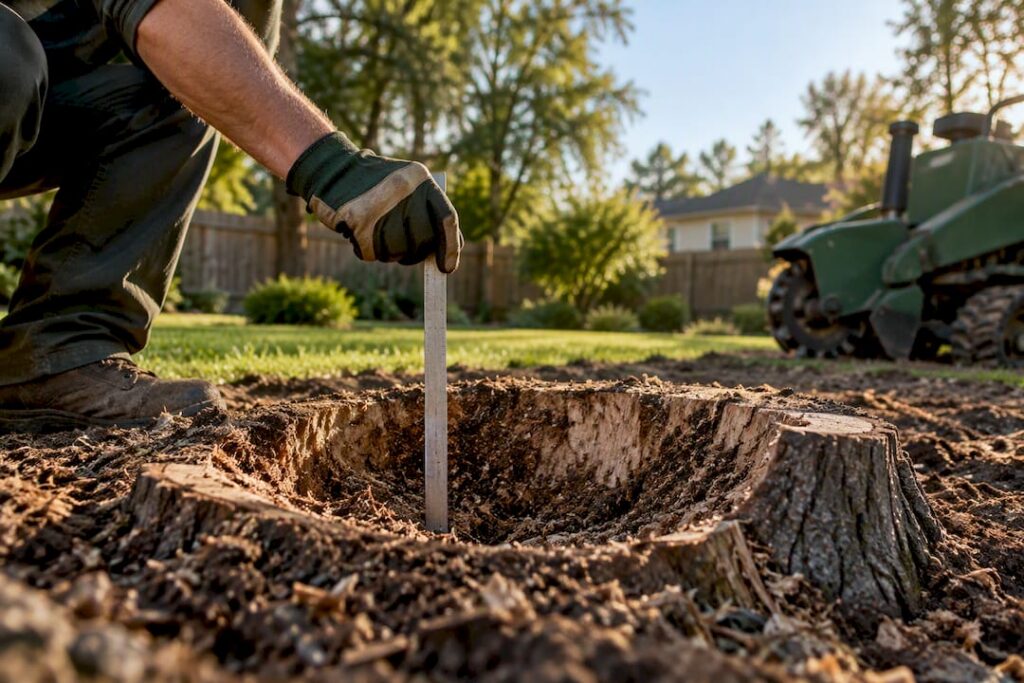
Stump grinding uses a machine with a high speed, steel-toothed wheel that chews the wood down into mulch. Contractors run walk-behind grinders, drivable units, or grinder attachments mounted on skid steers, and the choice depends on how close the stump sits to fences, sheds, or septic lines. Most residential jobs grind down to 8 to 12 inches below the soil surface, which is deep enough to mow over and plant near, though the root system stays intact underground.
Full removal is a different job entirely. It typically involves excavating around the root ball with a mini excavator or a stump-pulling attachment, then physically extracting the trunk and major roots, leaving a hole that needs backfill and compaction.
- Grinding needs flat, reasonably dry, accessible ground; steep slopes or soggy soil slow the machine down or make it unsafe.
- Removal needs room to maneuver heavy equipment and a plan for hauling the extracted stump and root mass off site.
- Wet soil complicates both jobs, but it’s a bigger problem for removal because it turns backfill into a mess.
Advantages and Drawbacks of Stump Grinding
Grinding is fast. Most residential stumps get ground down in under an hour, and the crew can often finish the same day they arrive. It’s also the cheaper option, and it eliminates the trip hazard and eyesore a stump creates in the middle of a lawn.
- Speed and cost: Lower labor time means lower bills compared to excavation.
- Curb appeal: The stump disappears visually, and the area can be leveled and mulched right away.
- Roots remain: The lateral root system stays underground and decays naturally over years rather than being removed immediately.
- Soil stays largely undisturbed: Less risk to nearby utility lines, patios, or foundations.
- Grindings can slow new plant growth: Wood chips left as backfill can tie up nitrogen in the soil, which matters if you want to plant something on that exact spot right away.
Pro Tip: If you’re planting grass or shrubs within days of grinding, ask the crew to haul away the grindings instead of leaving them as fill. It’s a small ask that saves you a season of patchy growth.
Advantages and Drawbacks of Full Stump Removal
Removal earns its higher price tag in specific situations. If you’re pouring a patio slab, installing a pool, or building a foundation extension where the stump sits, the roots have to go. The same is true when a stump is hosting a root disease that could spread to nearby trees. Full extraction pulls the major root mass out, which grinding simply can’t do.
- Construction-ready sites: Removal clears the ground for footings, pools, or paver bases.
- Disease control: Extraction reduces the amount of infected root tissue left in the soil.
- Bigger soil disturbance: Excavation churns up a much wider area than grinding does, and that dirt needs to be backfilled and compacted properly.
- Longer downtime: Sites need more time to settle and recover before they’re ready for the next phase of landscaping or construction.
If you’re weighing removal for a tree that’s already coming down, it helps to look at the full scope of tree removal work rather than treating the stump as a separate job.
Matching Your Goal to the Right Outcome
The right method depends less on the tree and more on what you’re doing with the ground afterward. Here’s how the two approaches stack up across the outcomes that actually matter to homeowners.
- Roots left in ground: Grinding leaves most lateral roots; removal extracts the major root mass.
- Soil disturbance: Grinding is minimal; removal runs 20 to 46 percent higher in measured soil disturbance across treated plots in forestry research.
- Time before planting grass: Grinding allows planting within days if grindings are removed or amended; removal needs backfill to settle first, often a few weeks.
- Time before construction: Grinding isn’t suitable at all for building over; removal requires compacted, tested backfill before footings go in.
- Typical cost direction: Grinding runs lower; removal costs more due to excavation, hauling, and site restoration.
- Disease-control effectiveness: Removal is more effective at reducing root-pathogen inoculum; grinding does little to address disease already in the root system.
- Property disruption: Grinding is quick and contained; removal takes longer and disturbs a wider footprint.
If your plan is a new lawn or a shrub bed, grinding usually gets you there faster. If the plan involves a slab, a paver patio, or a pool, removal is the only method that clears the ground properly. Readers set on hardscaping after the fact should check our guide on comparing commercial landscaping proposals before signing anything.
What Drives the Cost of Stump Grinding or Removal
Price depends on stump diameter, how many stumps you’re dealing with, how easy the site is to access, and whether the crew needs to haul away chips or backfill the hole. Rocky or root-tangled soil adds time, and some municipalities require permits for larger jobs near property lines or utilities.
- Stump diameter and total number of stumps on the property.
- Equipment access (fences, slopes, tight side yards).
- Chip or debris hauling, since many quotes price it separately.
- Backfill, topsoil, or compaction if the job includes site restoration.
Nationally, stump grinding commonly runs $150 to $500, while full extraction typically costs more once excavation, hauling, and backfill are added in. Grinding services often charge by the diameter inch, and chip removal is frequently priced as an add on rather than included by default.
Your Decision Checklist Before You Call a Contractor
Work through these questions before you get quotes, and you’ll spend less time comparing apples to oranges.
- What’s the site’s future? Lawn, garden bed, patio, or foundation each points toward a different method.
- Is disease a factor? If a tree came down due to root rot or fungal infection, lean toward removal.
- What’s nearby? Utility lines, septic fields, and foundations affect which equipment can safely reach the stump.
- What’s your timeline? Grinding finishes faster; removal needs more recovery time before the next phase.
- What’s the budget ceiling? Get grinding and removal quotes side by side so the cost gap is clear.
When you talk to contractors, ask about grind depth, whether chip removal is included, backfill specs, and proof of insurance. A written scope that skips these details is worth a second look.
Pro Tip: A contractor who won’t do a site visit before quoting a price is guessing, not estimating. Insist on eyes on the actual stump before you sign anything.
What Happens to the Site After the Job
Left alone, a ground down or cut stump can take 10 or more years to fully decay. Drilling holes into the remaining wood and adding nitrogen rich fertilizer or a commercial stump-rot product speeds that up to roughly 1 to 3 years.
- Grindings left as backfill can lock up soil nitrogen, so plan to haul them away or blend in topsoil before planting.
- Removal sites need backfill and compaction before grass, shrubs, or a paver base go in, often a matter of weeks rather than days.
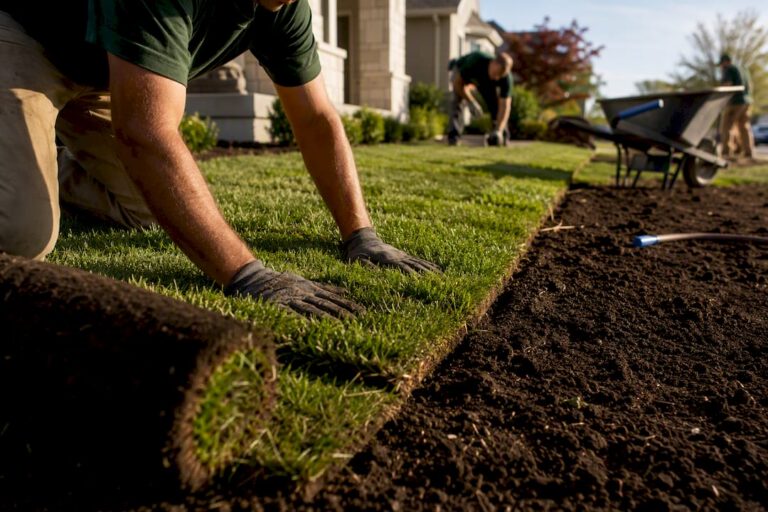
- If sod is part of the plan, confirm the soil is level and amended first; our sod installation team gets asked about this constantly after stump jobs.
Safety, Environmental Impact, and Disease Control
Soil disturbance is the trade-off that gets overlooked most. Research on stump removal found 20 to 46 percent greater soil disturbance in treated plots compared to untreated ones, though tree growth outcomes were neutral to positive at several study sites. Removal reduces the amount of infected root tissue in the ground, which matters for disease control, but it isn’t automatically necessary for a healthy tree that simply needs to come down.
- Utility locates should happen before any excavation, not just grinding.
- Wet or compacted soil raises the risk of equipment getting stuck or damaging nearby hardscapes.
- Confirm your contractor carries insurance before heavy equipment touches your property.
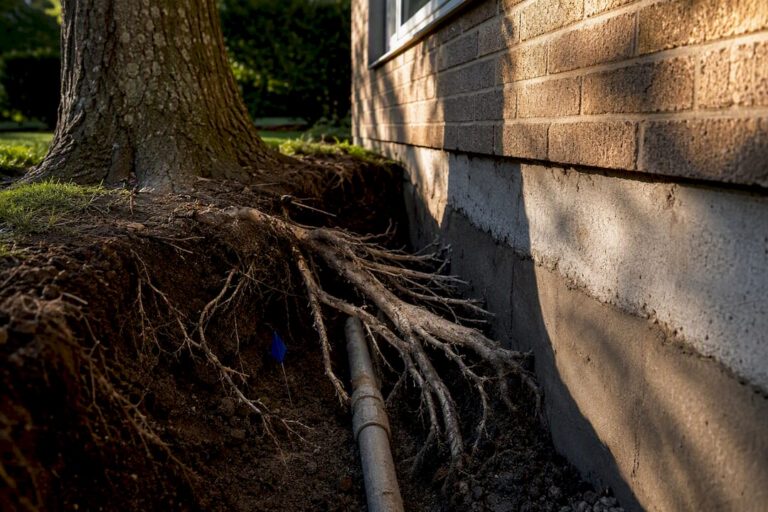
Root intrusion into underground drain lines is a related concern worth flagging to your contractor if older pipes run near the stump; a plumbing guide on root intrusion covers what that damage tends to look like.
How a Professional Landscaper Scopes This Kind of Job
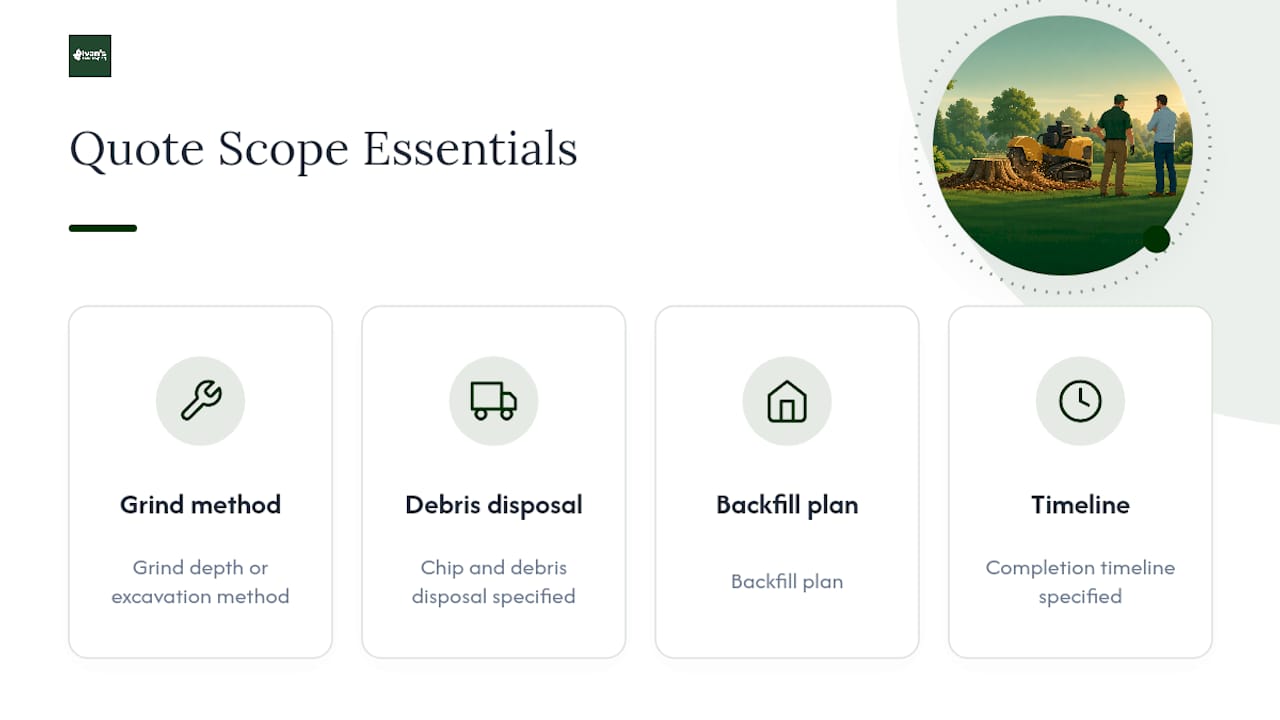
A written quote worth trusting spells out grind depth or excavation method, chip and debris disposal, backfill plan, and a completion timeline. Those details protect you from surprise add ons later.
A reputable landscaping company in McHenry County has served local properties since 2008, backing jobs with a satisfaction guarantee and a commitment to leaving job sites clean. Expect a site visit, a written scope, and a clear timeline before work begins, whether it’s a single backyard stump or a multi tree property.
Get a Written Estimate Before You Decide
Comparing grinding against full removal on paper only gets you so far. Some landscaping companies offer free, fast estimates and satisfaction guarantees, helping you avoid relying on guesswork or the first phone quote you get. If your stump is tied to a tree coming down, our tree removal service covers both in one scheduled visit, and our crew documents grind depth, chip disposal, and backfill plans in writing before any equipment touches your yard. If the stump is leaving room for something new, check our mulch service for finishing the area once the ground is ready. Request a site visit, ask for the scope in writing, and confirm insurance coverage before you sign. That’s the whole process, start to finish.
A Practical Take on the Trade-Offs
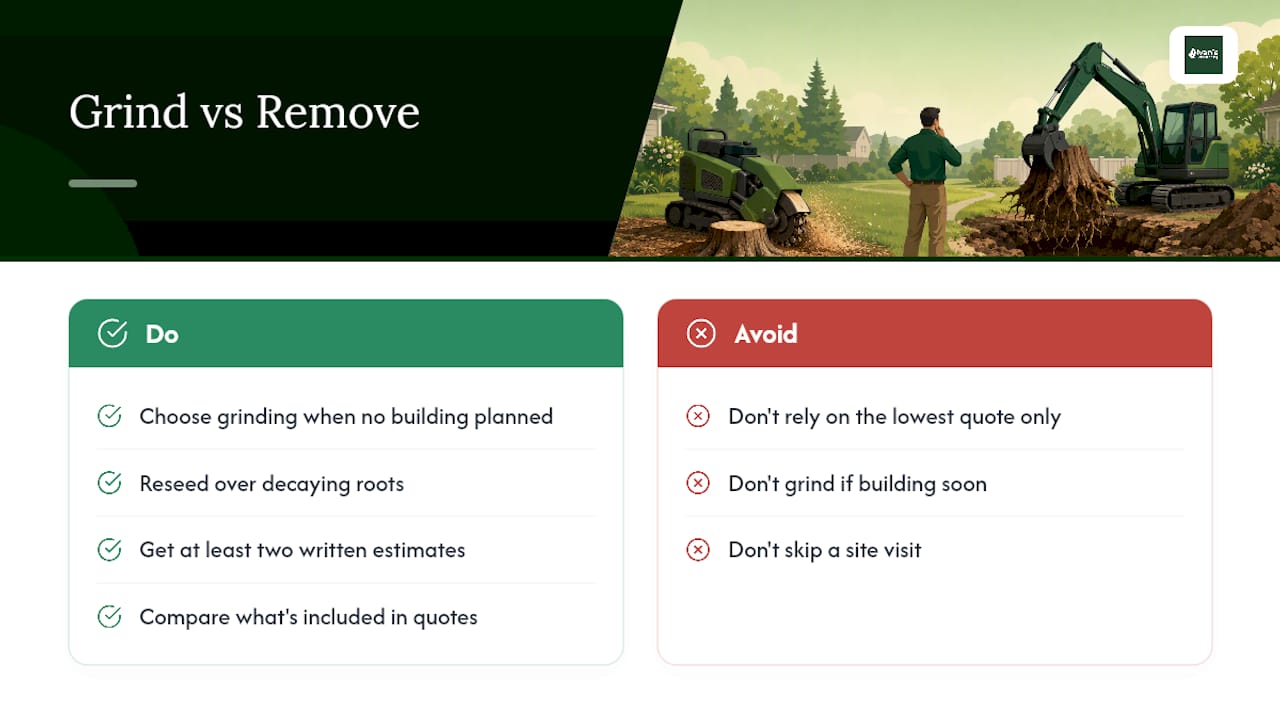
Most homeowners overthink this decision. If you’re not building on the spot and disease isn’t a factor, grinding solves the problem for less money and less disruption to your yard. The roots decaying underground for a few years rarely matters if you’re just reseeding grass over it.
Where I’d push back on convenience: don’t let a low grinding quote talk you out of removal when you’re planning a patio or addition in the next year or two. Digging that stump out later, after you’ve already landscaped around it, costs more in redone work than doing it right the first time. Get a site visit and a written estimate from at least two contractors, compare what each one actually includes, and let your timeline for the space decide the method instead of the sticker price alone.
— Chas
Sources
- How to remove tree stumps (Iowa State University Extension & Outreach)
- Stump grinding (WeedCUT, UC ANR)
- Soil disturbance and juvenile Douglas-fir growth following stump removal on moderately coarse textured soils in southwestern British Columbia (Canadian Journal of Forest Research)
- What to do with a tree stump (University of Illinois Extension)
FAQ
What Are the Disadvantages of Stump Grinding?
Grinding leaves the root system in the ground, so roots take years to decay naturally unless you accelerate the process with drilled holes and nitrogen-rich fertilizer. It also isn’t suitable if you plan to build over that exact spot, and leftover grindings can temporarily deplete soil nitrogen if used as backfill.
What Is a Fair Price for Stump Grinding?
Typical U.S. pricing for stump grinding runs roughly $150 to $500, depending on stump diameter, access, and whether chip hauling is included. Get at least two written quotes since chip removal and backfill are often priced separately from the base grinding fee.
Does Tree Removal Include Stump Grinding?
Not always. Many tree removal jobs cut the tree down to a stump and leave grinding or extraction as a separate line item, so confirm the scope before booking. Ivan’s Landscaping addresses this directly through its tree removal service, where the written scope spells out exactly what’s covered.
How Long Does It Take for a Ground Stump to Decay?
Left untreated, a ground stump’s remaining roots can take 10 or more years to fully break down. Drilling holes into the wood and adding fertilizer or a stump-rot product speeds that up to about 1 to 3 years.
Can I Plant Grass Right After Stump Grinding?
You can, but grindings left as backfill can lock up soil nitrogen and slow new growth. Removing the grindings or amending the area with fresh topsoil before seeding or laying sod gives new grass a much better start.