A typical lawn service covers mowing, string trimming, edging, and blowing or cleanup on a recurring schedule, plus a quick visual check of your turf at every visit. Treatments like fertilization, aeration, overseeding, and pest control are usually offered as add-ons, and bigger jobs such as sod installation or tree removal almost always carry separate charges.
TL;DR:
- Never remove more than one third of a grass blade; tall fescue generally needs a 3 to 4 inch cut, unlike shorter warm season turf.
- Schedule aeration, overseeding, and fertilization around grass type: cool season lawns benefit most in spring and fall, while warm season grasses grow hardest in summer.
- Soil tests should guide fertilizer, and each application should contain no more than 1 pound of soluble nitrogen per 1,000 square feet.
- A single weed treatment rarely clears a heavily infested lawn; providers often schedule multiple applications, while pest control should address mowing or soil problems first.
- Get the recurring scope in writing, because sod, tree removal, irrigation repairs, materials, and difficult access can trigger separate charges beyond routine visits.
Table of Contents
- Core Recurring Maintenance Services You Can Expect
- Seasonal Maintenance: What Happens in Spring, Summer, and Fall
- Lawn-Health Treatments: Fertilization, Weed Control, and More
- What Commonly Costs Extra: Add-Ons and One-Off Jobs
- How to Choose the Right Lawn Service Plan
- Why Experience and a Local Service Model Matter
- Tree and Shrub Care Related to Lawn Service
- Landscape Design and Installation as Part of a Full Package
- Brush and Land Clearing in Lawn Maintenance
- Customized Annual Property Maintenance Plans
- Mulch Service and Its Role in a Healthy Lawn
- Seasonal Cleanups Beyond Routine Lawn Care
- A Realistic Take on What a Healthy Lawn Takes
- Get a Plan Built Around Your Lawn
- FAQ
- Sources
Core Recurring Maintenance Services You Can Expect
Most weekly or biweekly plans are built around the same handful of tasks, and the details of how they’re performed matter more than the list itself.
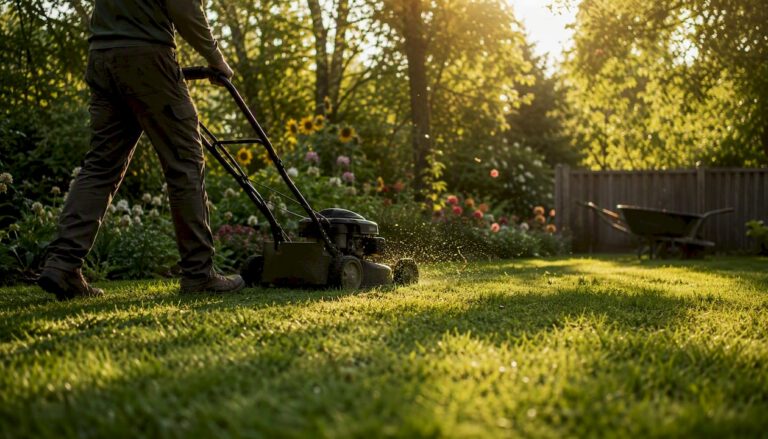
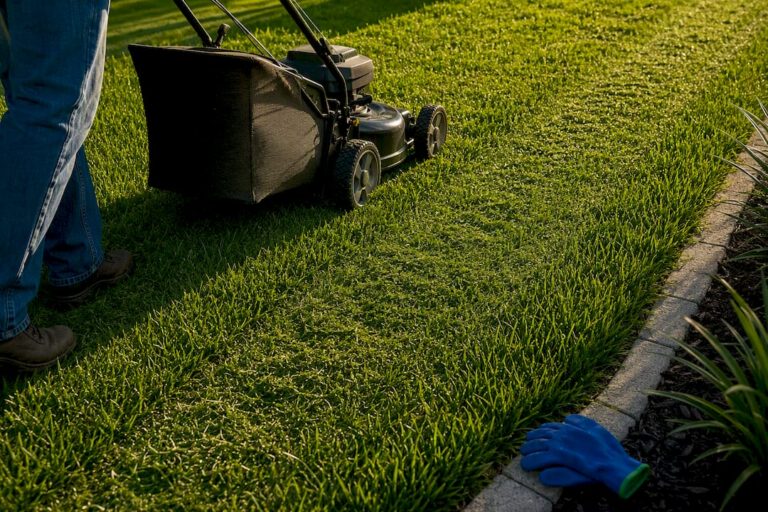
Mowing frequency shifts with the season. Crews typically mow more often during peak growth and less often or may skip visits during slow growth or drought, matching the grass’s actual growth rate rather than the calendar. The guiding principle behind every cut is the one-third rule: never remove more than a third of the blade length in a single pass, since scalping the lawn stresses the roots and invites weeds. Mowing height depends on your turf type. Tall fescue generally does best at 3 to 4 inches, while Kentucky bluegrass prefers 2.5 to 3.5 inches, and warm-season grasses like Bermuda or zoysia are cut shorter.
One of the most useful maintenance habits is also one of the simplest: proper mowing practices, including sharp blades, alternating mowing direction, and avoiding wet turf, can prevent many of the problems homeowners later pay to fix, according to Ohio State University’s turf guidance.
A standard visit typically includes:
- Mowing at the correct height and frequency for your turf type
- String trimming around fences, trees, beds, and obstacles the mower can’t reach
- Edging along driveways, sidewalks, and curbs for a clean property line
- Blowing clippings, grass debris, and clipped material off hardscapes and out of beds
- A quick visual check for bare patches, pest damage, or drainage issues
Trimming and edging aren’t the same task, even though they get lumped together. String trimming cuts grass in tight spots a mower misses, while edging creates a defined, slightly recessed line along hard surfaces. Skipping either one is usually what makes a freshly mowed lawn still look unfinished.
Clippings handling is worth asking about directly. Many crews mulch clippings back into the lawn rather than bagging them, since clippings decompose and return nutrients to the soil unless disease or heavy weed seed makes bagging the safer choice. That choice affects your fertilizer needs too, since recycled clippings can supply a portion of the nitrogen your lawn would otherwise need from a bag or a service application.
Seasonal Maintenance: What Happens in Spring, Summer, and Fall
Lawn care isn’t one task repeated all year. It shifts with the seasons, and timing those shifts correctly is a big part of what separates a maintained lawn from a thriving one.
- Spring: cleanup of winter debris, dethatching if buildup has accumulated, core aeration, overseeding thin areas, and an early fertilization timed to the soil test rather than the date on the calendar.
- Summer: adjusted mowing height to handle heat stress, irrigation checks to confirm even coverage, and spot treatment for disease or pests as they appear rather than on a fixed schedule.
- Fall: leaf removal, a final fertilization application, overseeding or repair of bare spots, and general prep before dormancy.
Cool-season grasses like tall fescue and Kentucky bluegrass do most of their root growth in spring and fall, which is why extension guidance from the University of Maryland recommends scheduling aeration, overseeding, and fertilization around a calendar built for your specific turf type rather than a generic date. Warm-season grasses follow the opposite pattern, growing hardest in summer and going dormant in cooler months, so their fertilization and overseeding windows shift accordingly.
Pro Tip: Ask your provider which fertilization and aeration windows they use for your specific turf type, since a schedule built for bluegrass won’t suit zoysia.
Lawn-Health Treatments: Fertilization, Weed Control, and More
Beyond routine mowing, most providers offer a second category of services aimed at the lawn’s underlying health rather than its weekly appearance.
Fertilization programs are usually built around a soil test rather than a flat schedule. Purdue Extension recommends applying no more than 1 pound of soluble nitrogen per 1,000 square feet in a single application, and notes that fall fertilization is often the most important application of the year because it supports root growth and spring green-up. Overdoing nitrogen causes its own problems: excess applications can thicken thatch beyond three-quarters of an inch and create new issues instead of solving old ones.
Weed control generally splits into two approaches. Pre-emergent treatments stop weed seeds from germinating in the first place, while post-emergent treatments target weeds already growing. Realistic expectations matter here: a single treatment rarely clears a lawn with a heavy existing weed population, and most programs plan for multiple applications across a season.
Pest control on a well-run program tends to follow an integrated pest management approach rather than reaching for chemicals first. The EPA’s guidance on lawn and garden pest control frames persistent pest problems as a symptom of underlying issues, like poor soil or incorrect mowing height, rather than evidence that more pesticide is needed. Correct mowing, watering, and aeration practices reduce pest pressure on their own, and healthy turf crowds out many weeds before they establish.
Typical add-on treatments include:
- Core aeration to relieve soil compaction and improve rooting
- Overseeding to fill in thin or bare areas, usually paired with aeration
- Grub and surface pest control, applied selectively rather than routinely
- Dethatching when organic buildup interferes with water and nutrient movement
- Sod installation or repair for areas beyond what seed can fix in a reasonable timeline
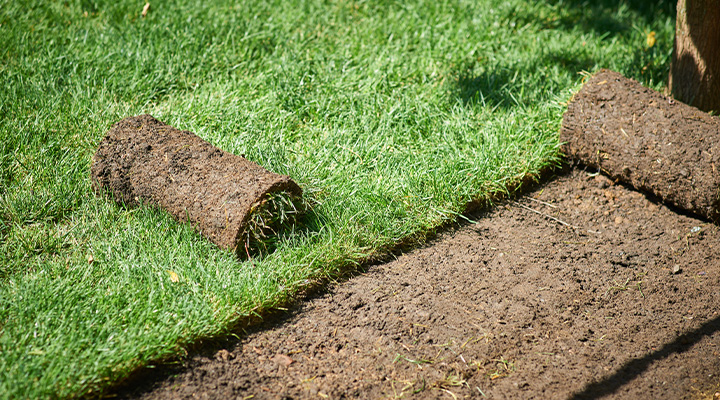
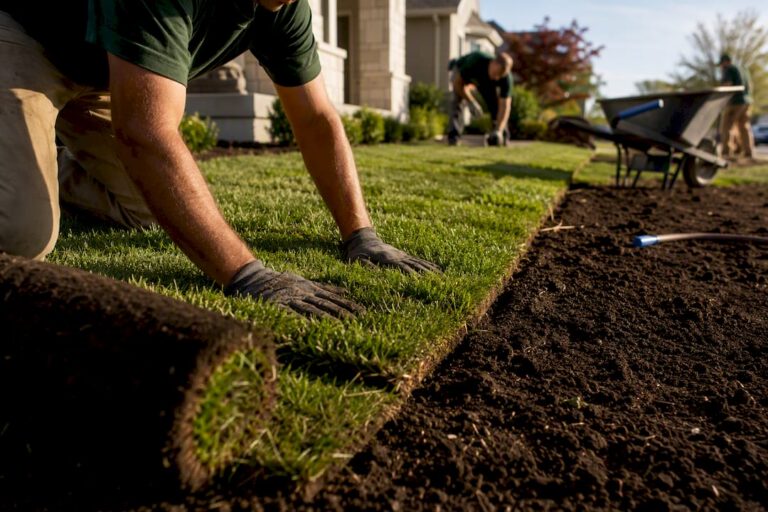
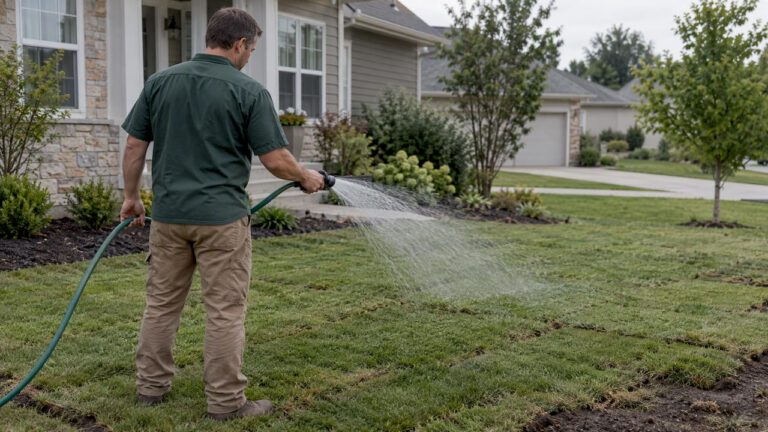
Sod work in particular tends to get billed as its own project rather than folded into a maintenance plan, since it involves site prep, material cost, and installation labor that don’t fit a recurring visit.
What Commonly Costs Extra: Add-Ons and One-Off Jobs
Most surprise invoices come from a gap between what a homeowner assumed was included and what the provider’s scope actually covers. Knowing the usual dividing line ahead of time avoids that conversation.
Jobs that typically fall outside a standard recurring plan include:
- Tree removal and stump grinding
- Major storm debris or large-scale yard cleanup beyond routine blowing
- Irrigation system repair or installation
- Erosion control and drainage correction
- Sod installation or significant lawn repair
- Extensive landscape bed renovation or new planting beds
Several factors push a job into “extra” territory. Service minimums mean very small properties or one-time requests may cost more per visit than a standing contract. Terrain and access, like steep slopes, fenced side yards, or limited equipment access, often carry a surcharge since they slow the crew down. Material costs, such as mulch, seed, or sod, are generally billed separately from labor, which is why a project quote looks different from a weekly maintenance invoice.
The simplest way to avoid a surprise bill is to get the scope in writing before work starts. A written agreement should spell out exactly which tasks are included in the recurring price and which trigger a separate charge, so there’s no ambiguity when a tree comes down in a storm or a bed needs reworking.
How to Choose the Right Lawn Service Plan
Matching a plan to your property starts with being honest about your goals and your lawn’s actual condition, not just picking the cheapest recurring rate.
- Match frequency to growth, not habit. A fast-growing cool-season lawn in peak season often needs weekly mowing, while a slower-growing or drought-stressed lawn can stretch to biweekly without harm.
- Ask whether soil testing drives the fertilization plan. A provider that tests soil before recommending a program is working from your lawn’s actual needs rather than a generic schedule.
- Ask if the provider follows an integrated pest management approach. This signals they’ll address root causes like soil health and mowing height before reaching for pesticides.
- Get the scope in writing. Confirm exactly which visits include trimming, edging, and cleanup, and which services are billed separately.
- Confirm guarantees and insurance. A provider willing to stand behind the work, and carry insurance for your property, is taking the relationship seriously.
- Ask how communication works. Find out how you’ll be notified about treatment timing, weather delays, or scope changes before they show up as a surprise.
Pro Tip: Walk your property with the estimator before you sign anything. Pointing out drainage problems, fence lines, or thin patches up front helps the plan match reality instead of a generic template.
Why Experience and a Local Service Model Matter
A provider’s track record shows up in the details: how they schedule around weather, how they document scope, and how consistently they show up. At Ivan’s Landscaping, we’ve built our lawn care services around customized plans rather than a single one-size-fits-all package, because a property in a shaded, low-traffic yard needs a different approach than one with full sun and heavy foot traffic.
Every plan we write out includes a clear scope and a commitment to leaving a clean job site after every visit. We aim for fast turnaround on free estimates, so you know what’s included and what isn’t before a single mower touches your lawn.
Tree and Shrub Care Related to Lawn Service
Healthy trees and shrubs affect the lawn growing beneath them, which is why tree and shrub work often sits alongside lawn maintenance rather than apart from it. Pruning overgrown shrubs improves airflow and sunlight to the turf below, while removing a declining tree can open up a patch of lawn that’s been struggling in deep shade.
We offer tree and shrub planting as part of a broader property plan, and handle tree removal when a tree is dead, hazardous, or simply in the wrong spot for what you’re trying to grow underneath it. These jobs are typically quoted separately from recurring lawn visits since they involve different equipment, timing, and risk, but they’re often recommended together with a lawn plan when a property’s tree canopy is affecting turf health.
Landscape Design and Installation as Part of a Full Package
For homeowners planning more than routine upkeep, landscape design and installation often get bundled with lawn service into a single property plan. Design work covers everything from new planting beds and layout changes to full yard renovations, while installation is the hands-on work of bringing that plan to life.
We handle landscape design and installation projects as their own scope, separate from recurring mowing and treatment visits, since they involve planning, materials, and a different timeline. Pairing a new design with an ongoing maintenance plan means the beds, turf, and hardscape elements get cared for as one connected property rather than a patchwork of separate decisions made over time.
Brush and Land Clearing in Lawn Maintenance
Overgrown brush, invasive scrub, and neglected lot edges don’t just look unkempt, they also compete with turf for light, water, and nutrients. Clearing that growth is often a necessary first step before a thin or struggling lawn area can be renovated or seeded successfully.
Brush and land clearing is typically billed as a project rather than a recurring maintenance task, since it depends heavily on how overgrown the area is and what equipment access looks like. For many properties, especially larger lots or ones with a wooded edge, clearing brush opens up usable lawn space and removes the shade and root competition that’s been holding back a healthy stand of turf nearby.
Customized Annual Property Maintenance Plans
A single recurring mowing contract covers a lot, but it doesn’t typically account for seasonal cleanups, mulch refreshes, or treatment programs that happen a few times a year rather than weekly. That’s where an annual plan comes in, bundling the full calendar of lawn and landscape needs into one coordinated schedule.
Our annual property maintenance and landscaping plans are built around your property’s actual needs rather than a generic package, combining recurring lawn care with seasonal cleanups, mulch service, and treatment timing into a single plan. The advantage is coordination: instead of scheduling separate vendors for mowing, mulch, and cleanup, one plan tracks the whole calendar so nothing gets missed between visits.
Mulch Service and Its Role in a Healthy Lawn
Mulch does more than dress up a bed. A properly applied layer suppresses weeds, holds soil moisture during dry stretches, and moderates soil temperature swings that stress plant roots. For properties with a mix of lawn and planting beds, mulch service is usually the piece that ties the whole yard together visually.
We offer mulch service as a standalone project or as part of a broader seasonal plan, refreshing beds in spring when color matters most or again in fall ahead of winter. Since mulch is a material cost on top of labor, it’s typically quoted and billed separately from recurring lawn mowing, which is worth confirming before assuming it’s bundled into your maintenance rate.
Seasonal Cleanups Beyond Routine Lawn Care
Spring and fall cleanups cover ground that weekly mowing simply doesn’t touch. A fall cleanup typically means clearing fallen leaves before they mat down and smother the grass underneath, while a spring cleanup clears winter debris, dead growth, and anything that accumulated while the lawn was dormant.

Our spring and fall yard cleanup service is scoped separately from recurring mowing visits because it’s seasonal rather than weekly, and the volume of debris varies a lot from property to property. For many homeowners, pairing a cleanup with mulch service in the same visit is an efficient way to reset the whole property at the start of a new season.
A Realistic Take on What a Healthy Lawn Takes
A thick, even lawn is the result of a program, not a single great mow. The lawns that hold up best are the ones where mowing height, fertilization timing, and soil health are treated as connected decisions rather than separate line items on an invoice. Chasing a perfect-looking lawn through heavy chemical use usually backfires, while prioritizing soil testing and consistent cultural practices tends to pay off over a full season rather than a single visit.
— Chas
Get a Plan Built Around Your Lawn
We build every plan around your property’s actual conditions, not a generic package, and back our work with a satisfaction guarantee and fast turnaround on estimates. Whether you need recurring mowing, a seasonal cleanup, or a full annual plan that ties mulch, treatments, and cleanups together, our lawn care services page is the place to start. Request a free estimate and we’ll walk your property with you before anything gets scheduled.
FAQ
What does a lawn service typically include?
A typical lawn service includes recurring mowing, string trimming, edging, and blowing or cleanup on a set schedule, along with a quick visual check of the lawn’s condition. Treatments like fertilization, aeration, and pest control are usually offered as separate add-ons rather than bundled into the base visit.
What are some red flags when hiring a lawn care service?
Watch for a provider who won’t put the scope of work in writing or who gives vague answers about what triggers an extra charge. Another red flag is a company that pushes a fixed fertilization schedule without ever mentioning a soil test, since a one-size-fits-all program ignores your lawn’s actual needs.
What is included in a basic lawn care package?
A basic package generally covers mowing at the correct height for your turf type, trimming and edging along hard surfaces, and blowing clippings and debris off driveways and walkways. It does not usually include fertilization, weed control, or aeration, which are typically priced as separate services.
What is the 1/3 rule in lawn care?
The one-third rule states that you should never remove more than one-third of the grass blade’s length in a single mowing, since cutting more than that stresses the root system, according to Kansas State University’s turf guidance. Following this rule usually means mowing more often during peak growth rather than cutting a long lawn down all at once, a point also covered in this explainer on the mowing rule.
Sources
- Mowing (Kansas State University turf resource)
- A simple procedure for fertilizing cool-season lawns (Purdue Extension)
- Lawn and garden pest control (U.S. EPA)
- Maintaining an established lawn (University of Maryland Extension)
- Lawn mowing (Ohioline, Ohio State University)